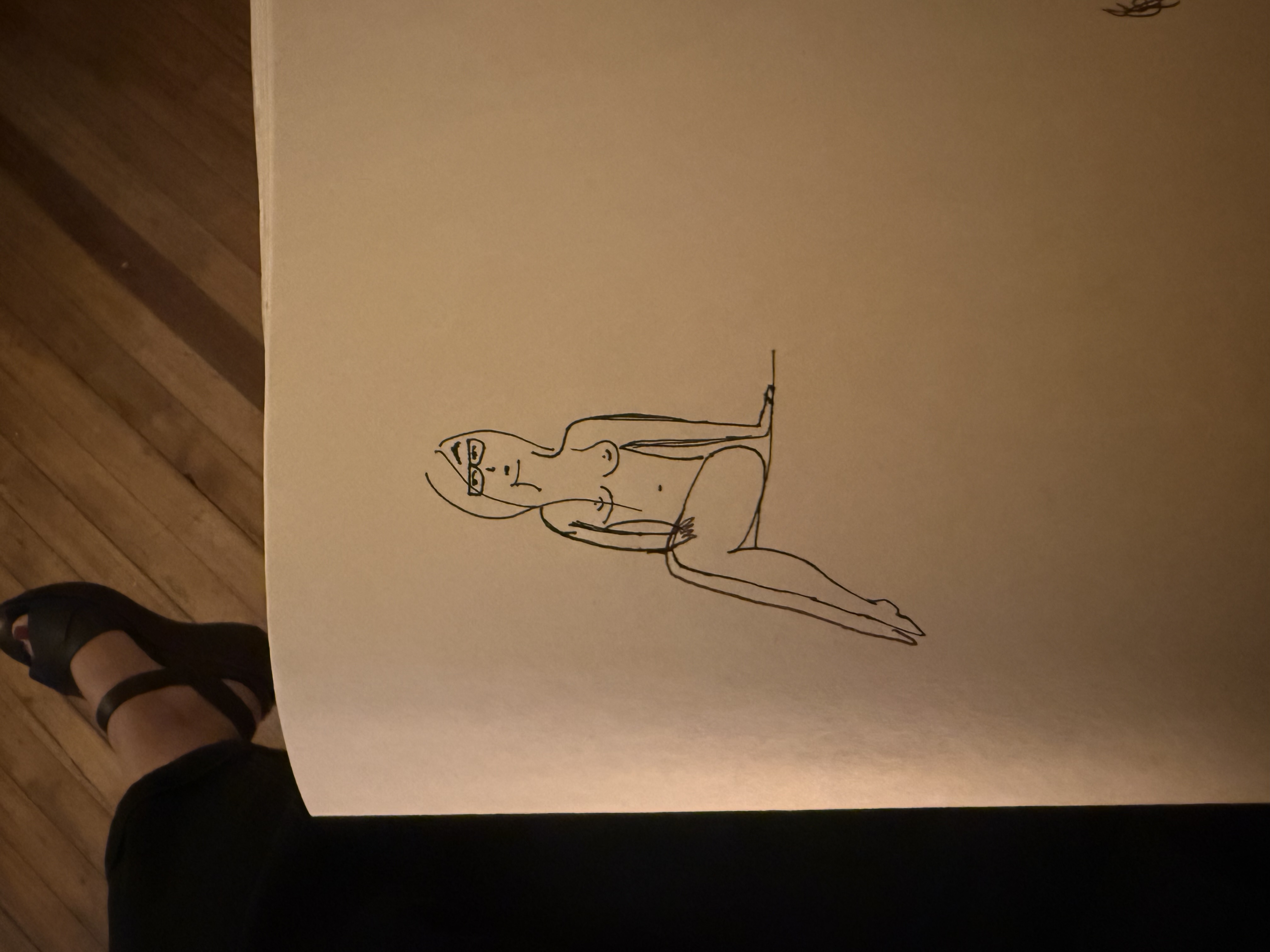
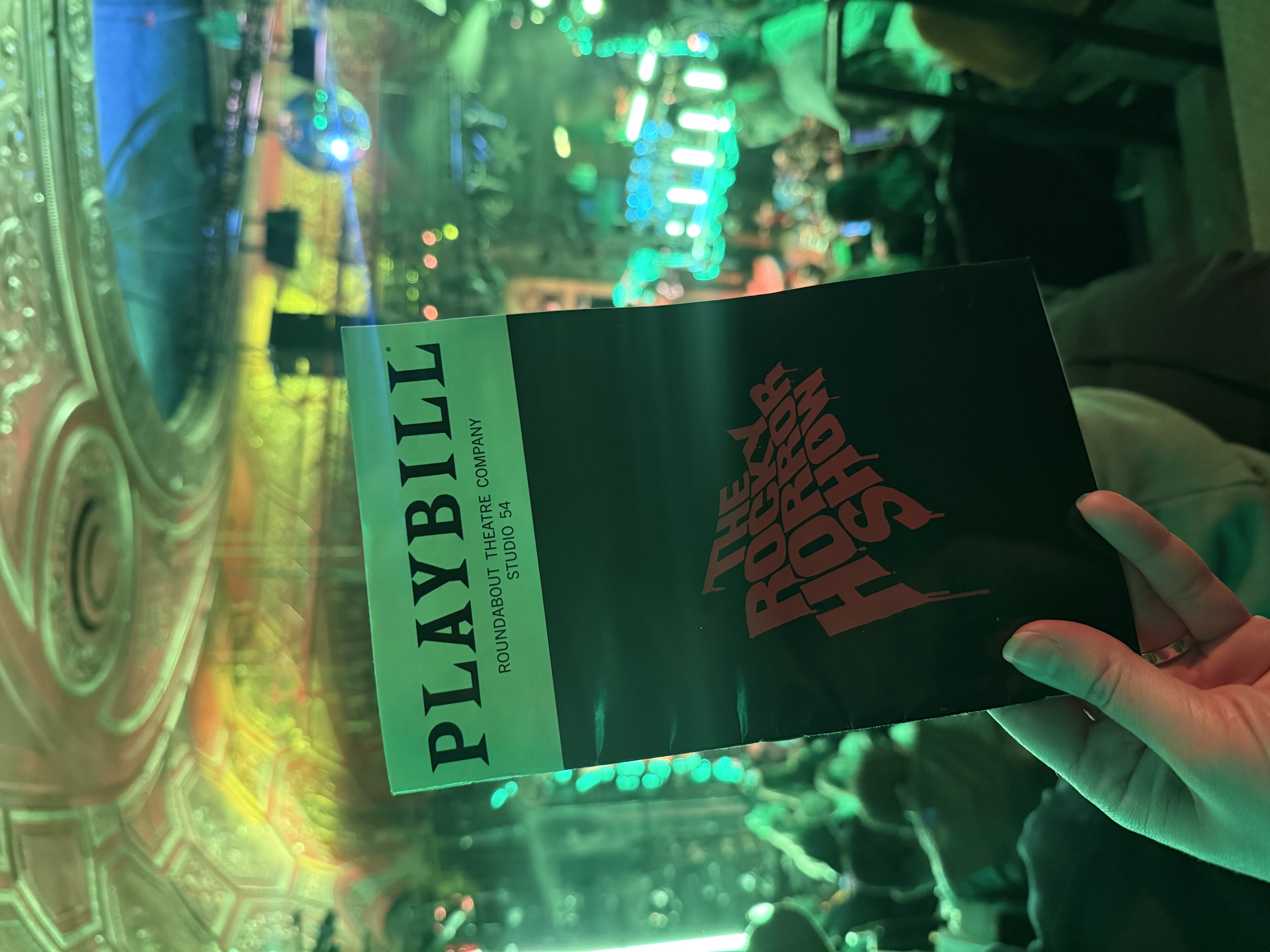
On the sticky, strange, “tornado-warning” night, I successfully dodged all weather to draw Laura in the Lower East Side.
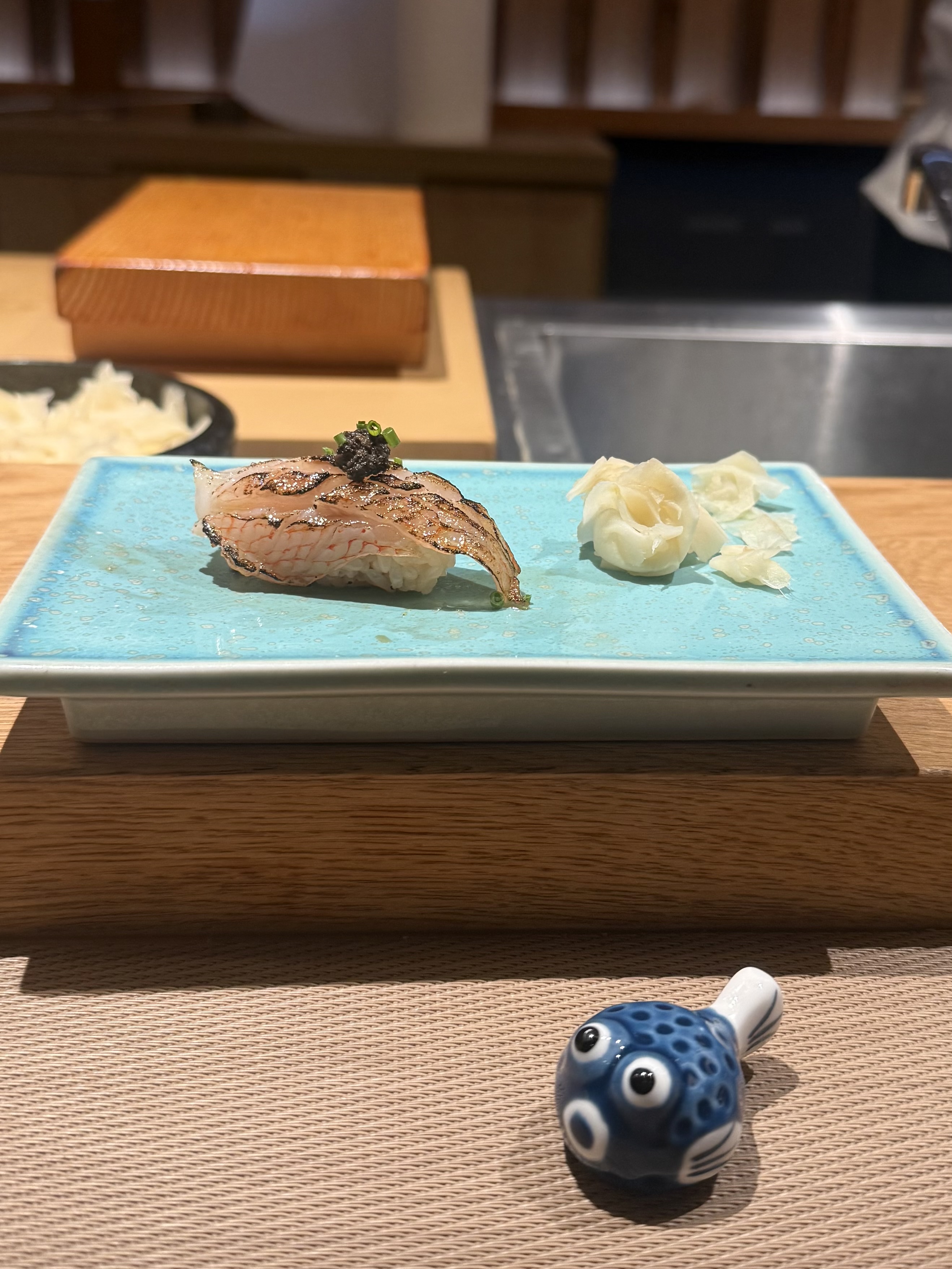
KINKI!
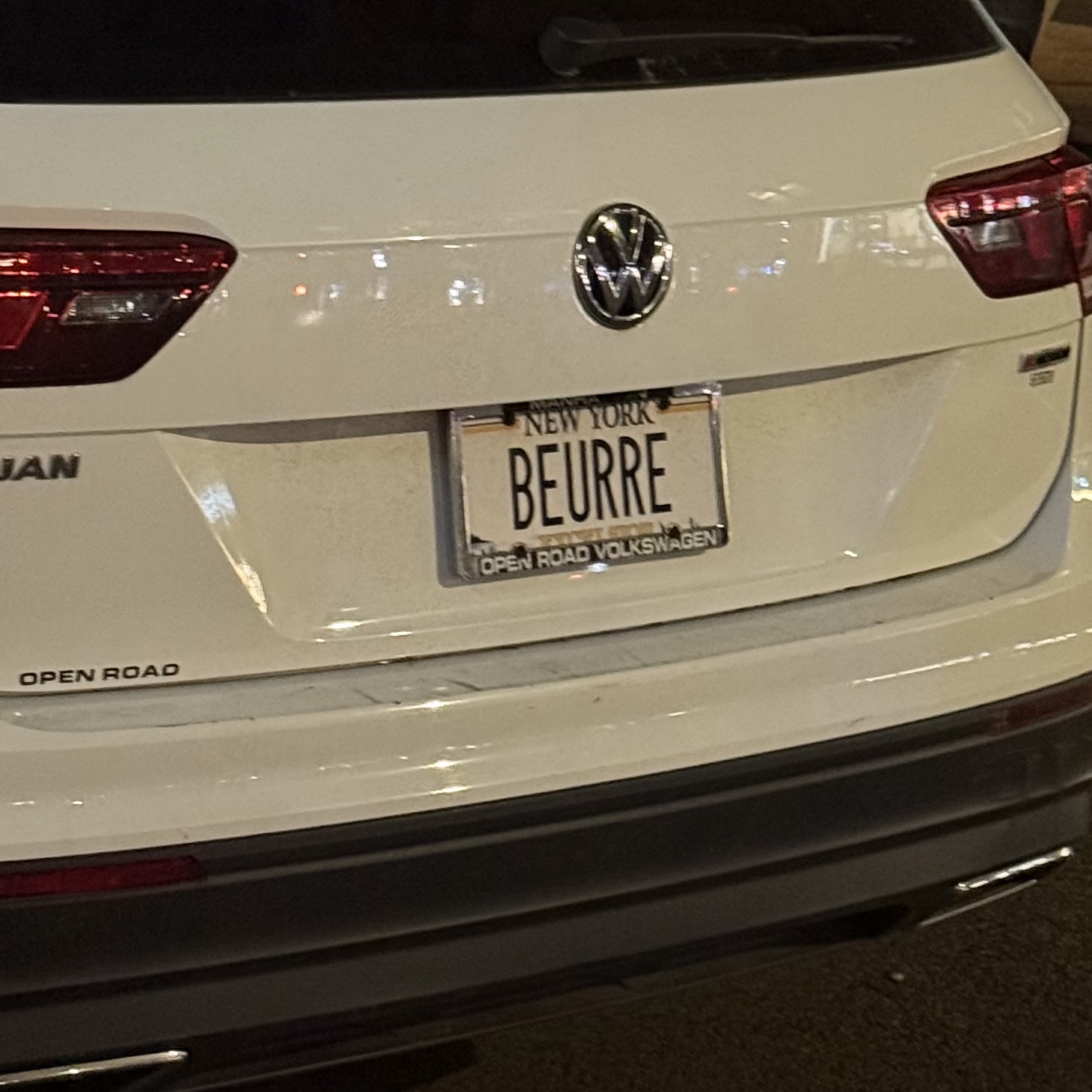
Blessed by the beurremobile
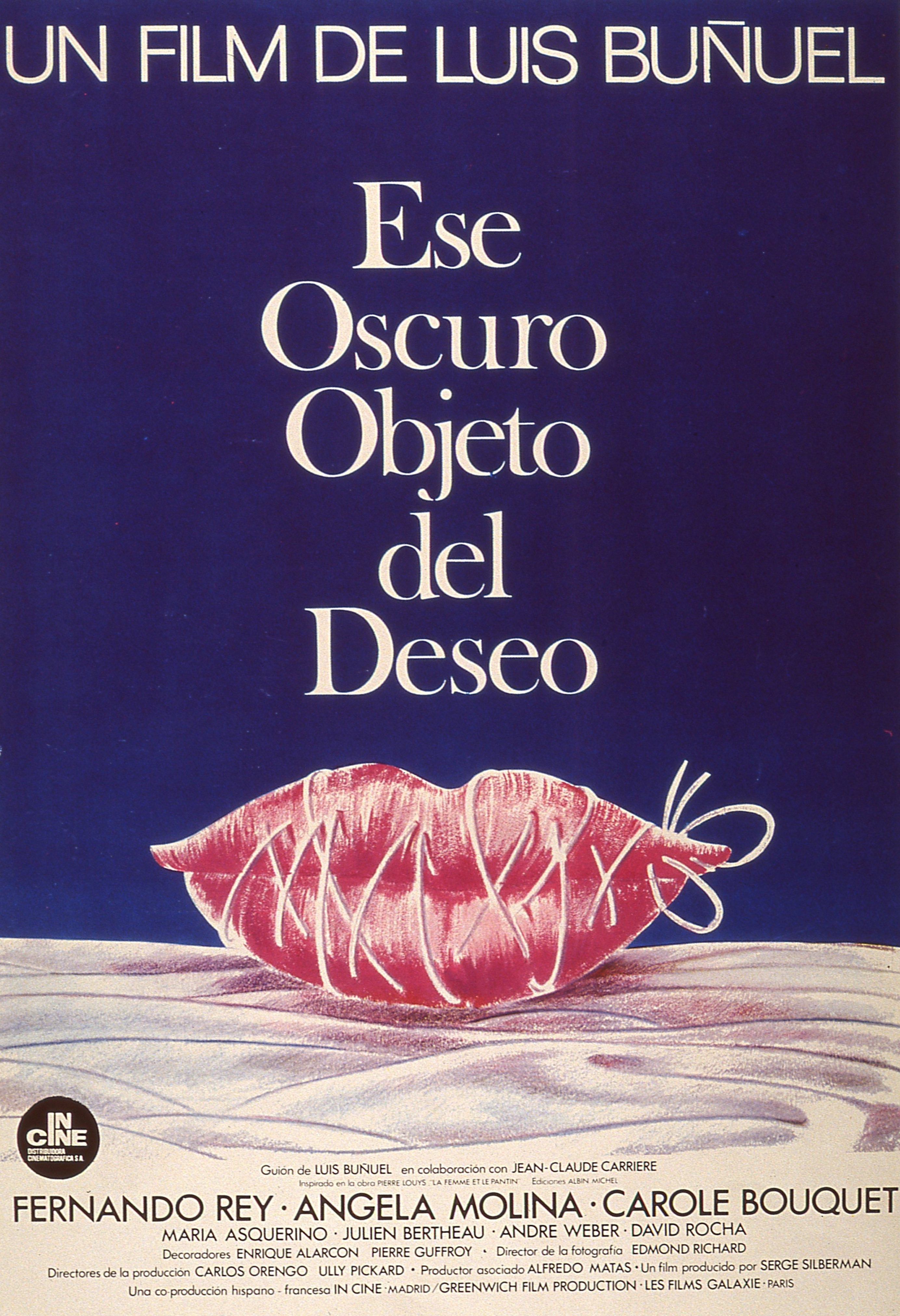
Weird movie, great poster.
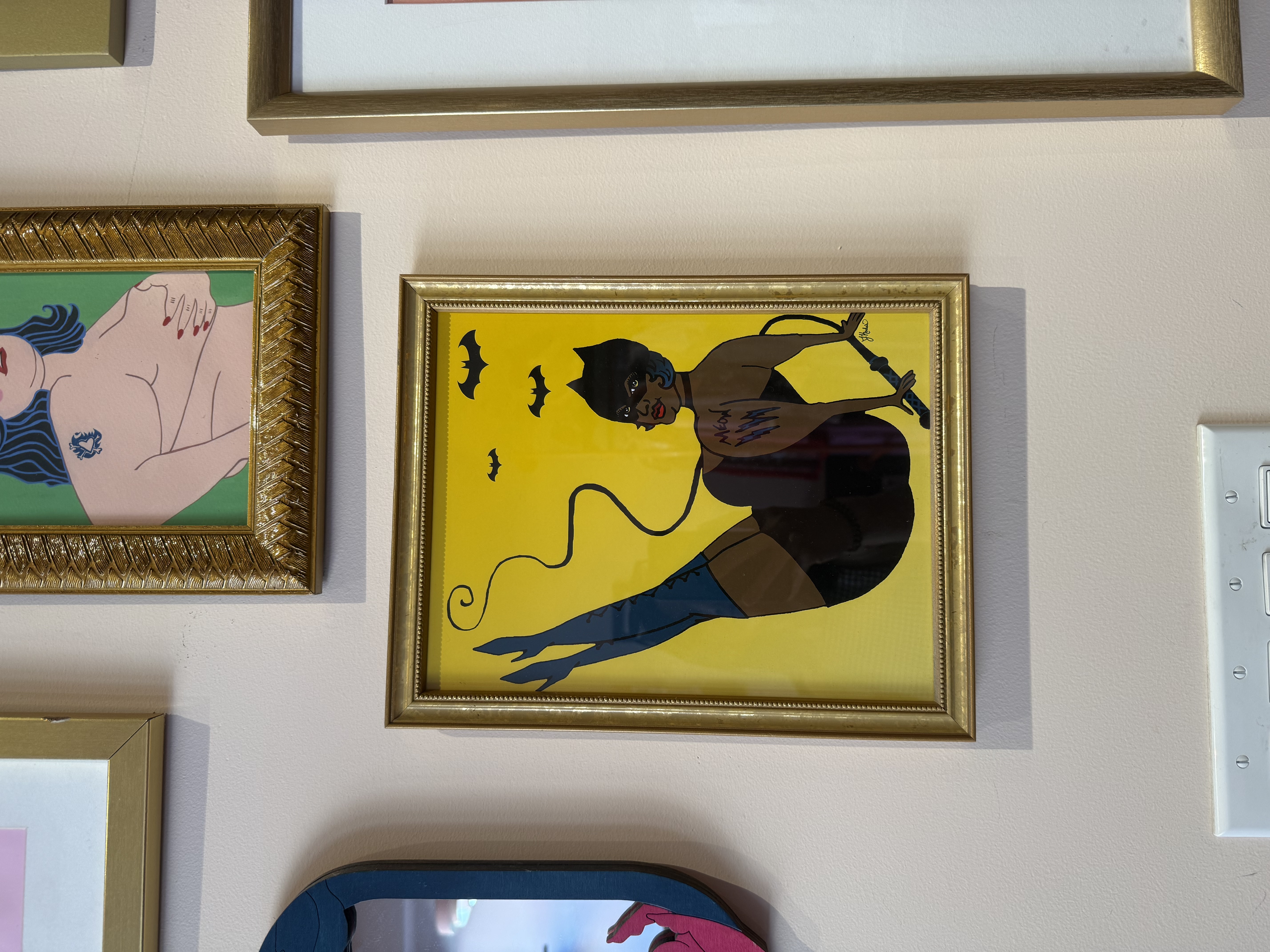
Catwoman sighting in Greenpoint
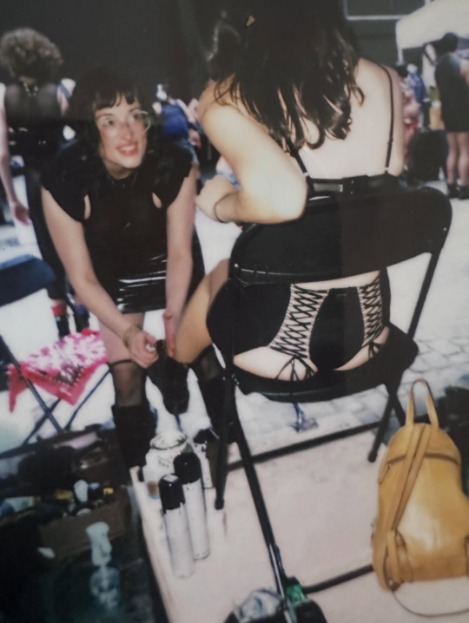
Getting my boots blacked for the very first time by the wonderful CareOfCurseTen at Folsom Street East. 📸 by fredrickedward.art.
Dali's surrealistic mermaid suits, girls "frozen alive" on stage, sun worshippers smoking and gabbing on picnic benches, and a nude female mannequin with sign "Inside She's Real": All this and more at the 1939 World's Fair.
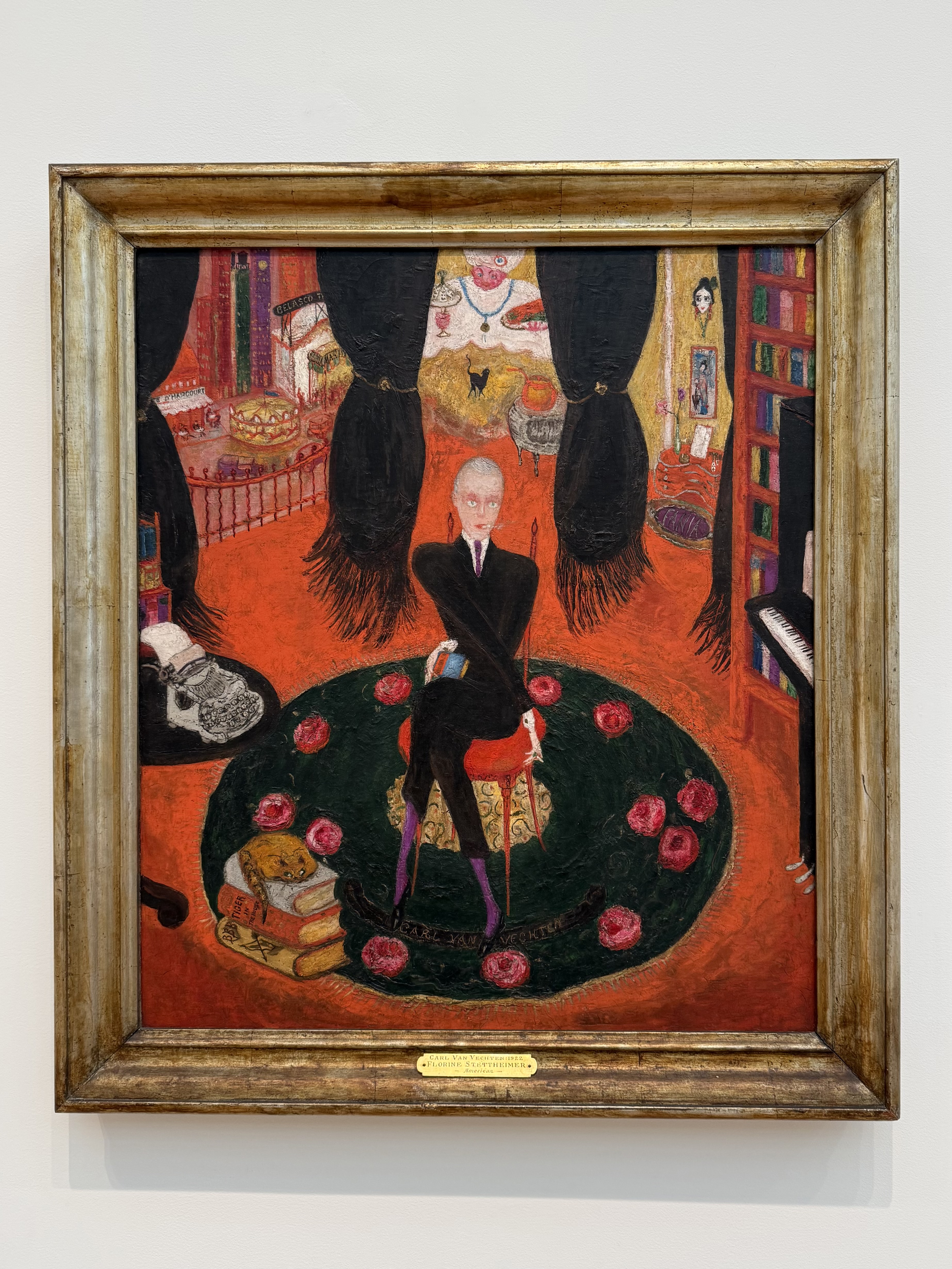
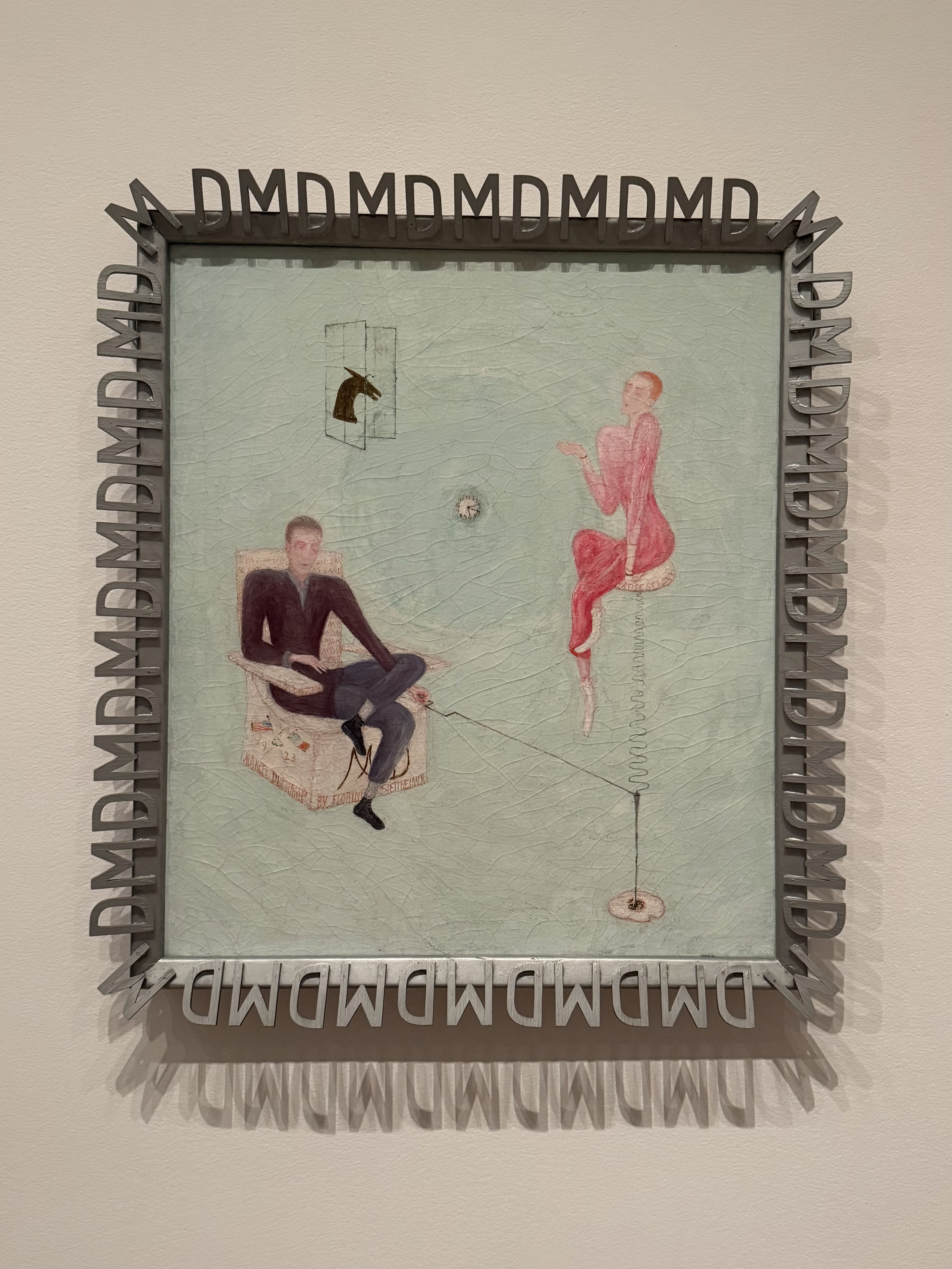
I saw two Florine Stettheimer paintings at the two museums I visited this weekend: Carl Van Vechten (1880–1964), Yale Art GalleryPortrait of Marcel Duchamp and Rrose Sélavy, Museum of Modern Art
Einhorn and the Art of the Grotesque
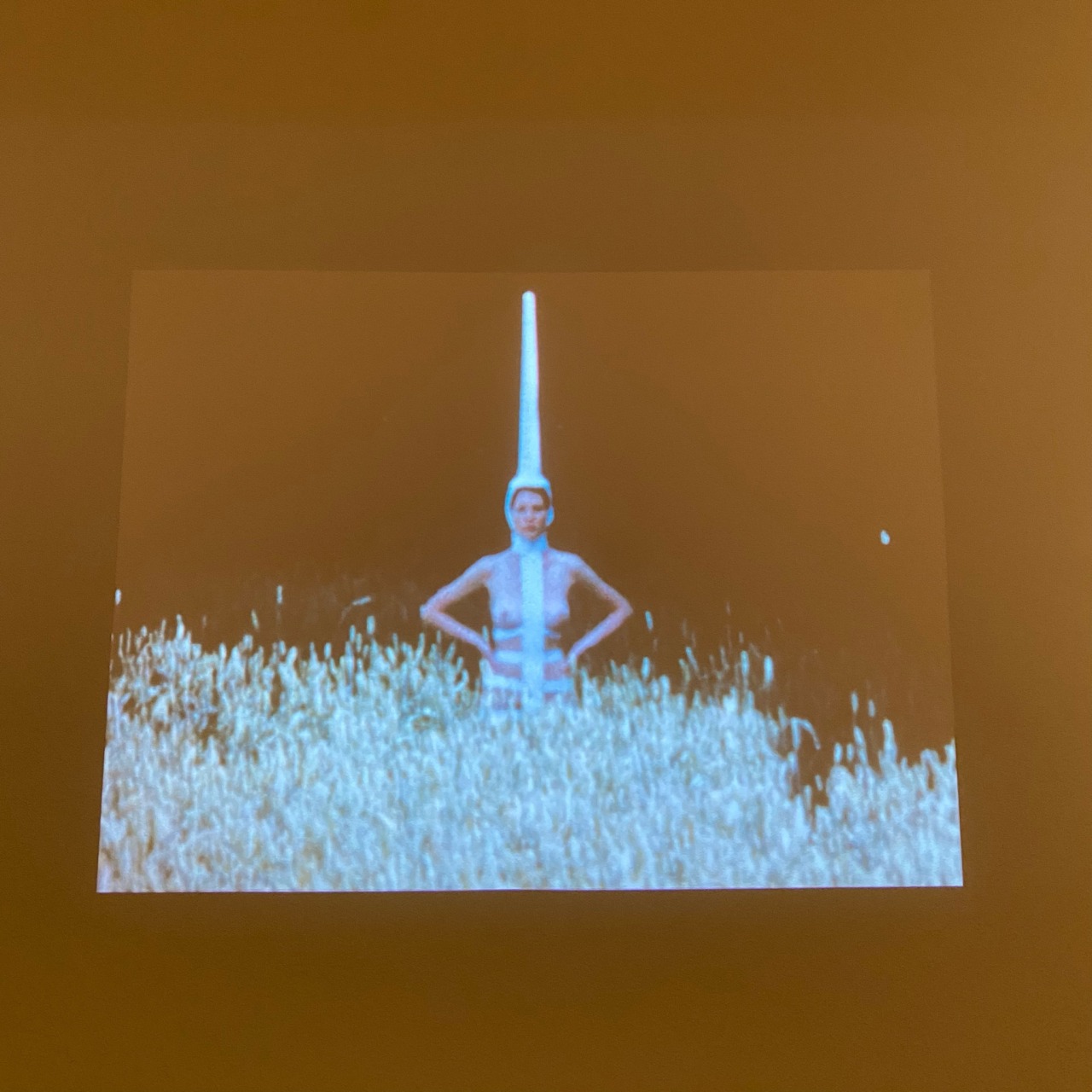
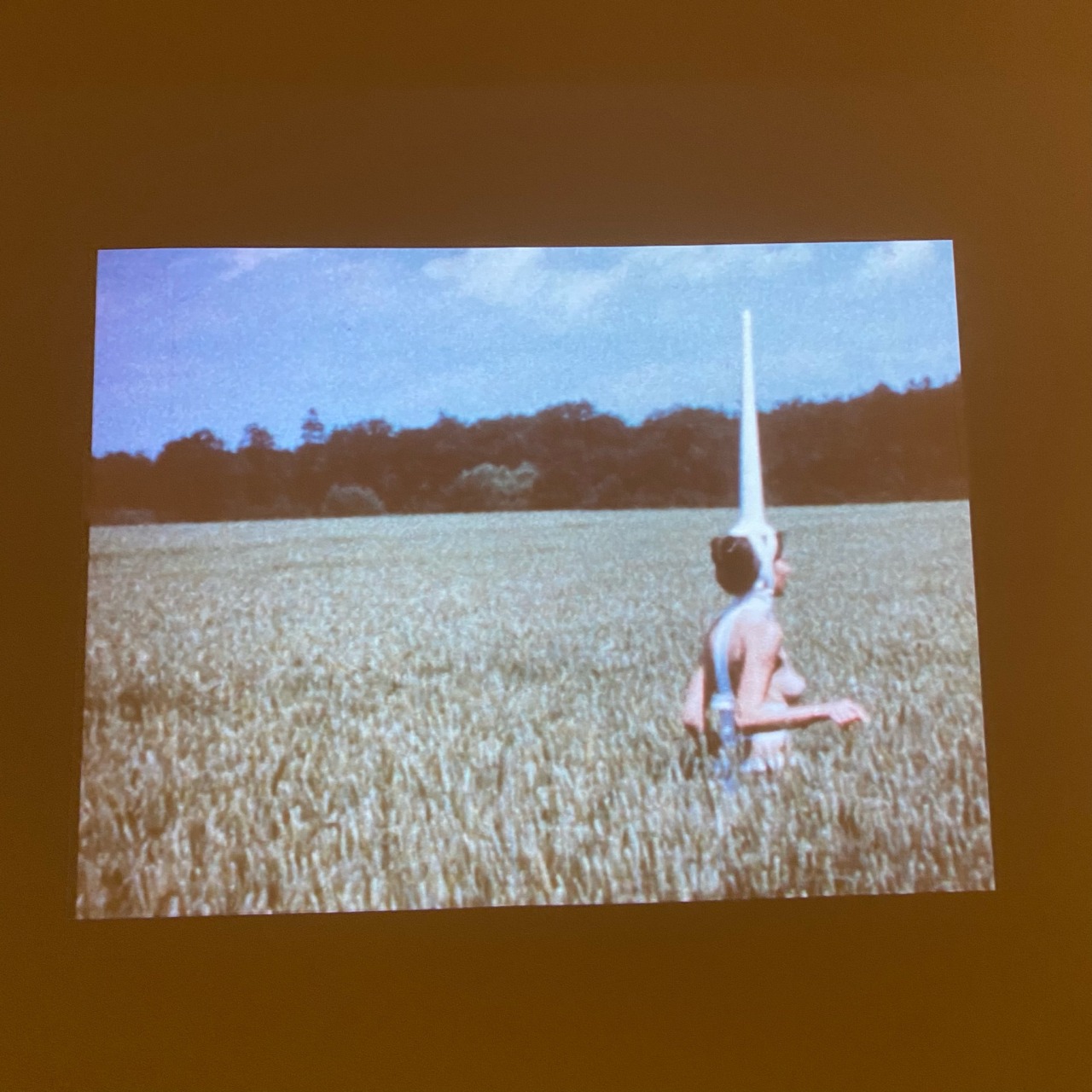
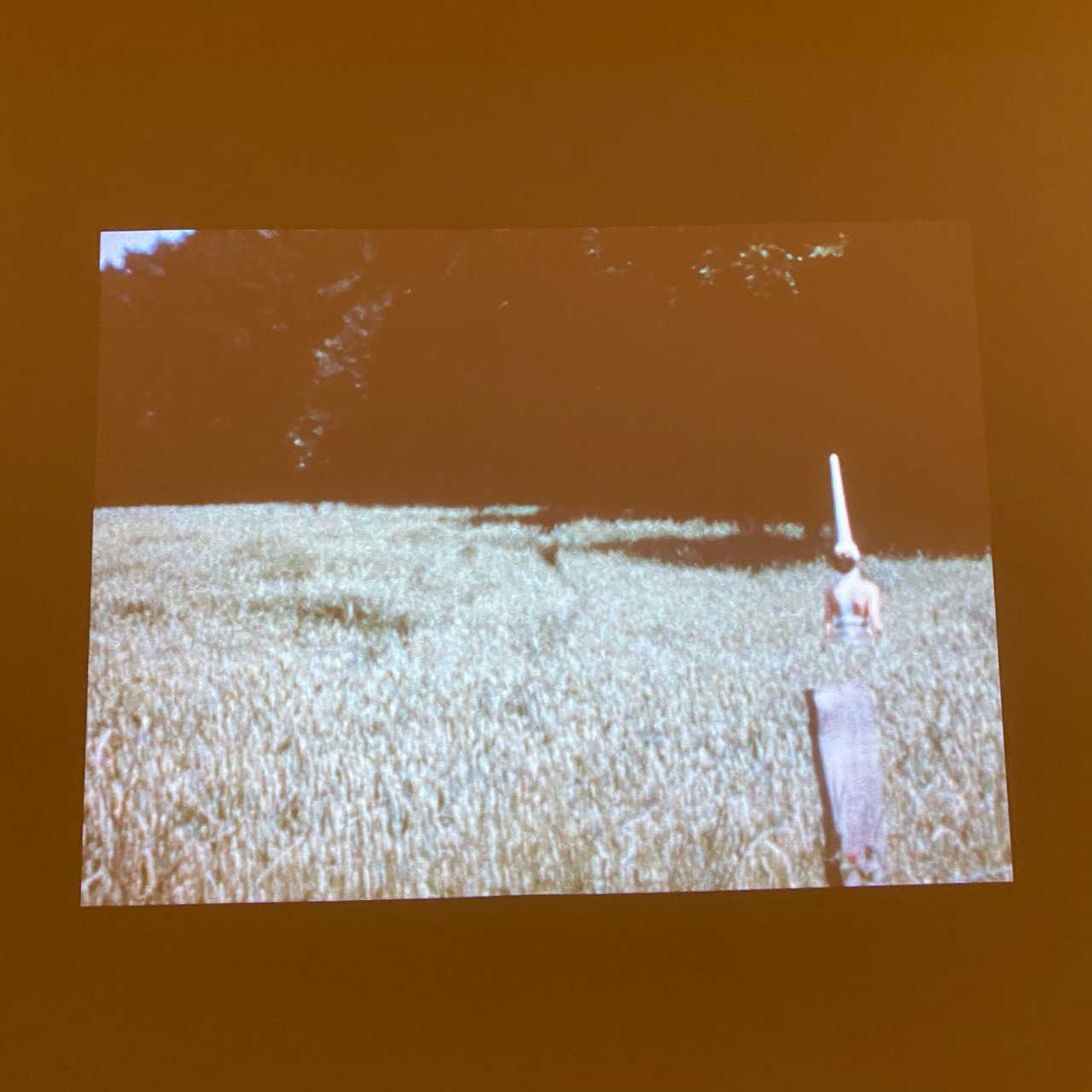
Last year, as I was wandering through the MoMA on a winter-holiday Monday, I came across a video art performance piece by the German artist Rebecca Horn called Einhorn. Made in 1970, it shows a nude woman (not the artist) in a white harness with a long horn strapped to her head, walking slowly, back rod-straight, through a field of tall grass, away from the camera and into the woods.
From the exhibition copy: "Simultaneously referencing the possibilities and limitations of the human body, the work articulates Horn’s yearning for new ways of moving through the world."
The artist had conceived of this wearable sculpture and others during a time of extreme isolation; she was committed to a year of bedrest recovering from lung poisoning while also grieving the recent death of her parents. The elongated forms she sketched in her convalescence and later reproduced in fabric, wood, and metal make visible and tangible what could only be felt inside for so long.
The Einhorn sculpture bonds Horn's forlorn severity with fetishistic trappings—its harness component evokes the medically induced rigidity and confinement of a back brace while the conical protrusion renders the body almost weapon-like. And yet, the precarity of movement that the piece demands negates any real sense of menace.
Many of Horn's other wearable sculptures, which are now in the permanent collection of London's Tate Modern, have a similar freakish yet fragile quality:
Pencil Mask: Strapped around the face and studded with two-inch-long pencils protruding in the front, this mask transforms the wearer’s head into a drawing tool.
Finger Gloves: Two black prostheses worn on the hands of the performer and attached to the wrists with black straps. Each prosthetic has five thin, rigid, extra-long ‘fingers’ made out of wood and fabric.
Arm Extensions: Two long, heavy, scarlet-fabric cylinders are attached to the arms of a standing naked female performer and reach all the way to the floor. The outer fabric of each arm extension consists of a continuous strip of red bandage; the two strips of bandage wrap tightly around the abdomen, hips and legs of the performer in a criss-cross pattern and are tied together around the ankles so that the performer is completely immobile.
Watching the Einhorn model’s head keep perfectly still, lest the exaggerated, unwieldy protrusion topple, I felt a cord of empathy tighten around me. I wasn't sure if I wanted to be her, save her, or take delight in seeing her struggle. The work's naked, plotless austerity shook me awake, and I haven't been able to stop thinking about it since.
In Horn's world, bondage transcends the scene and becomes the lens through which the basic, relational functions of life are negotiated. And for an artist who had endured a period of intense suffering, playing with taboos and morbid titillation in this way seems to have had a liberating effect.
When she was asked by Frieze in a 1994 interview to offer up an interpretation of Einhorn, Horn responded, "By being turned into a prisoner, she freed herself inside."
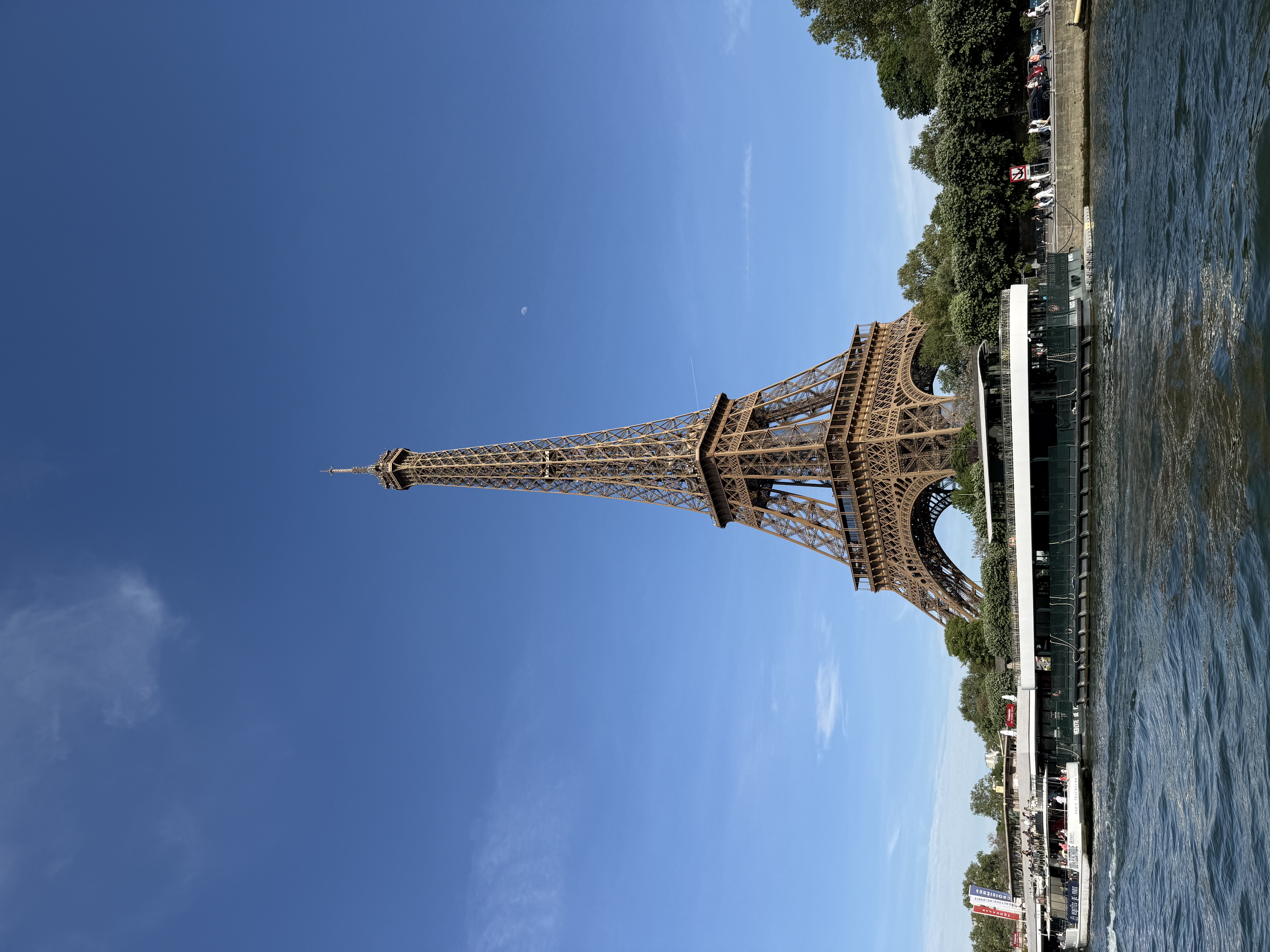
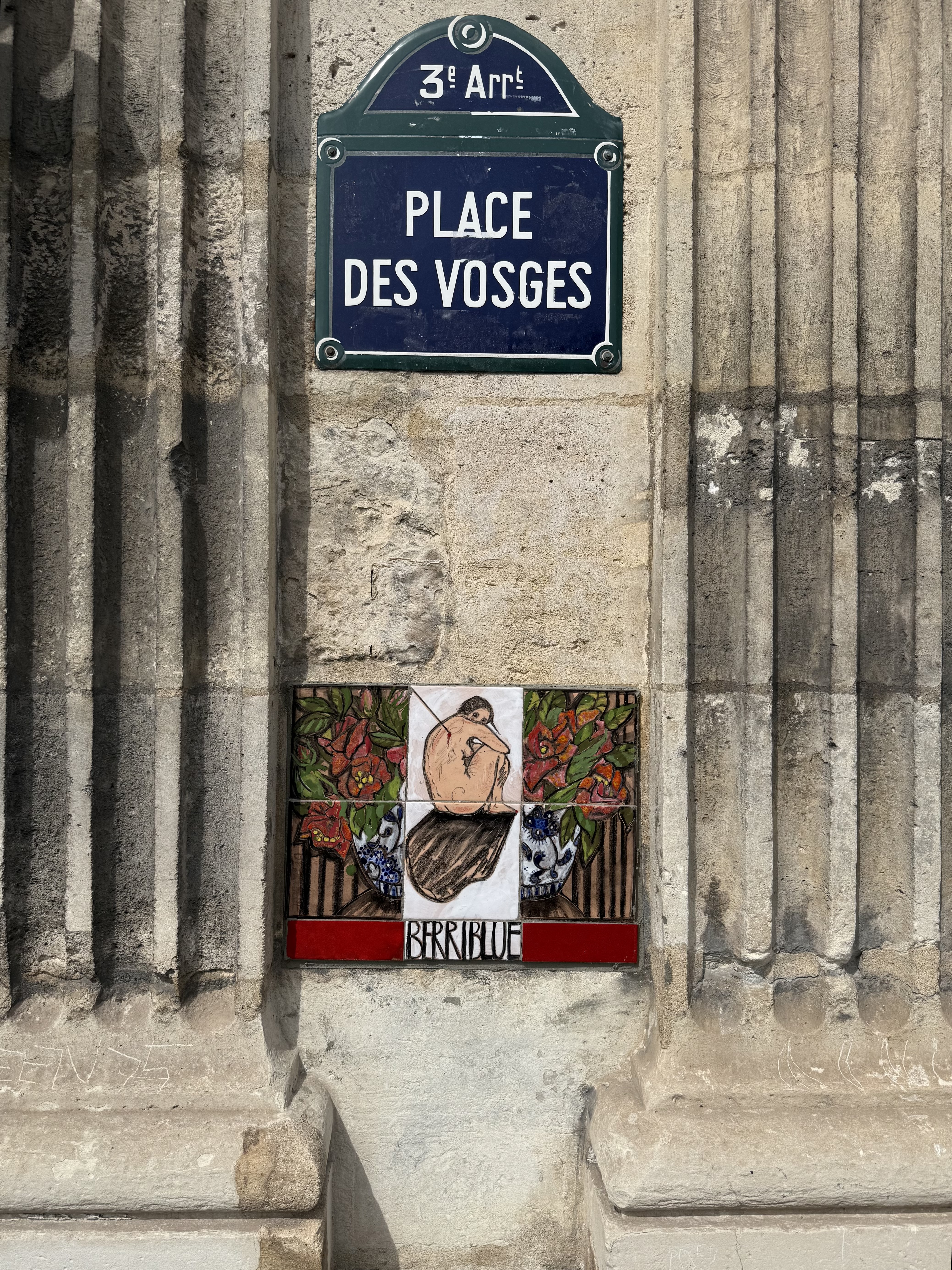
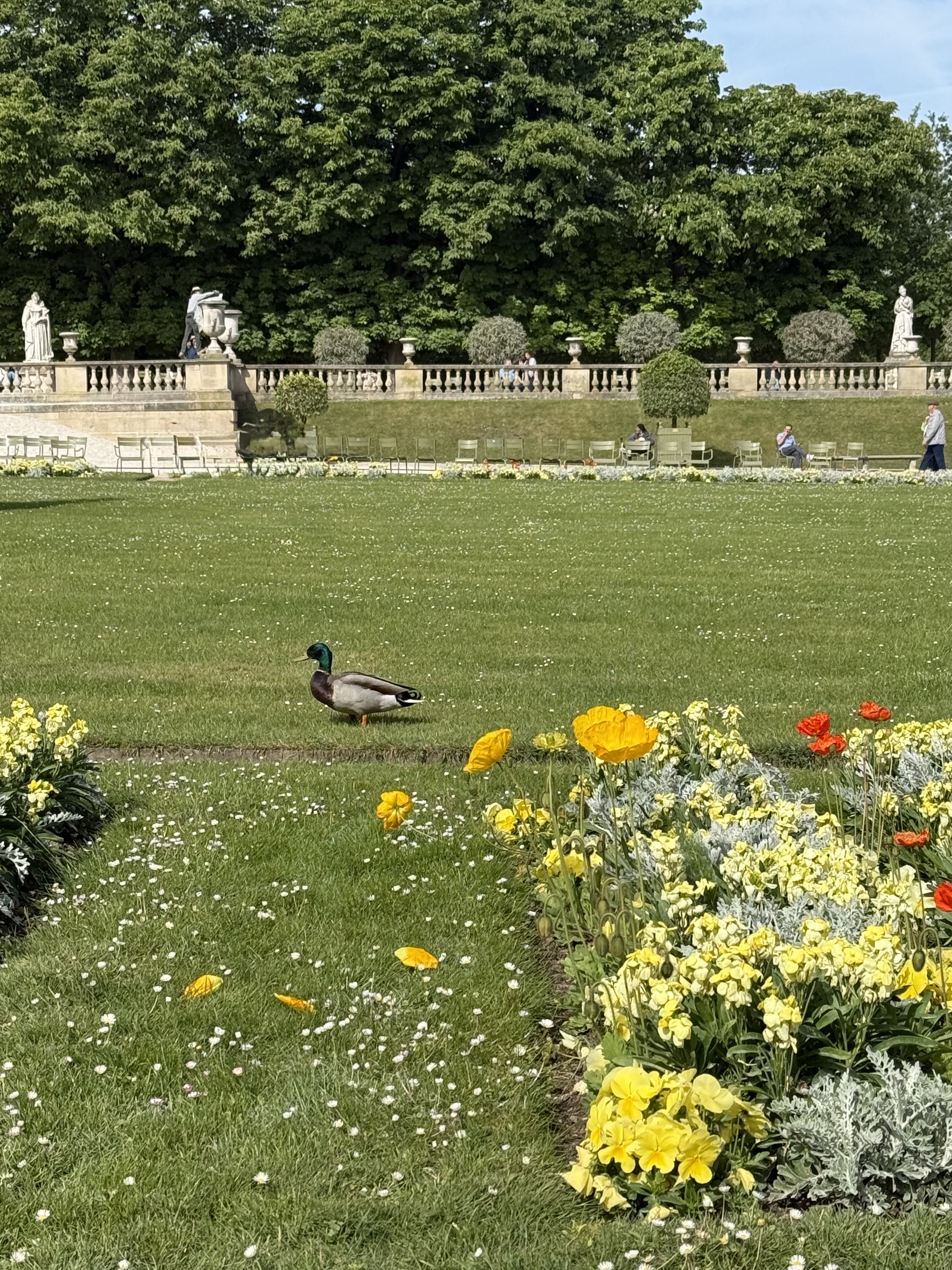
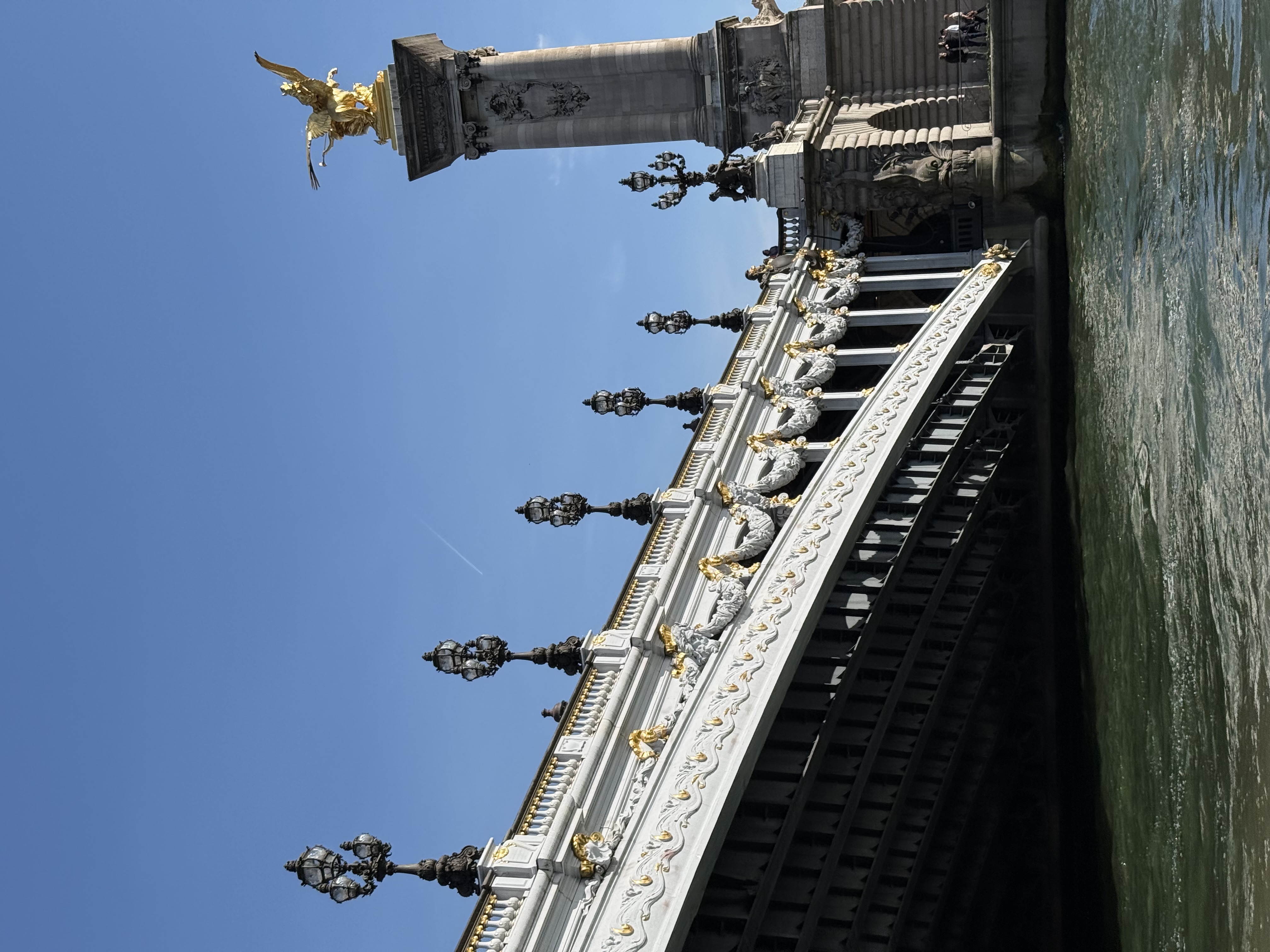
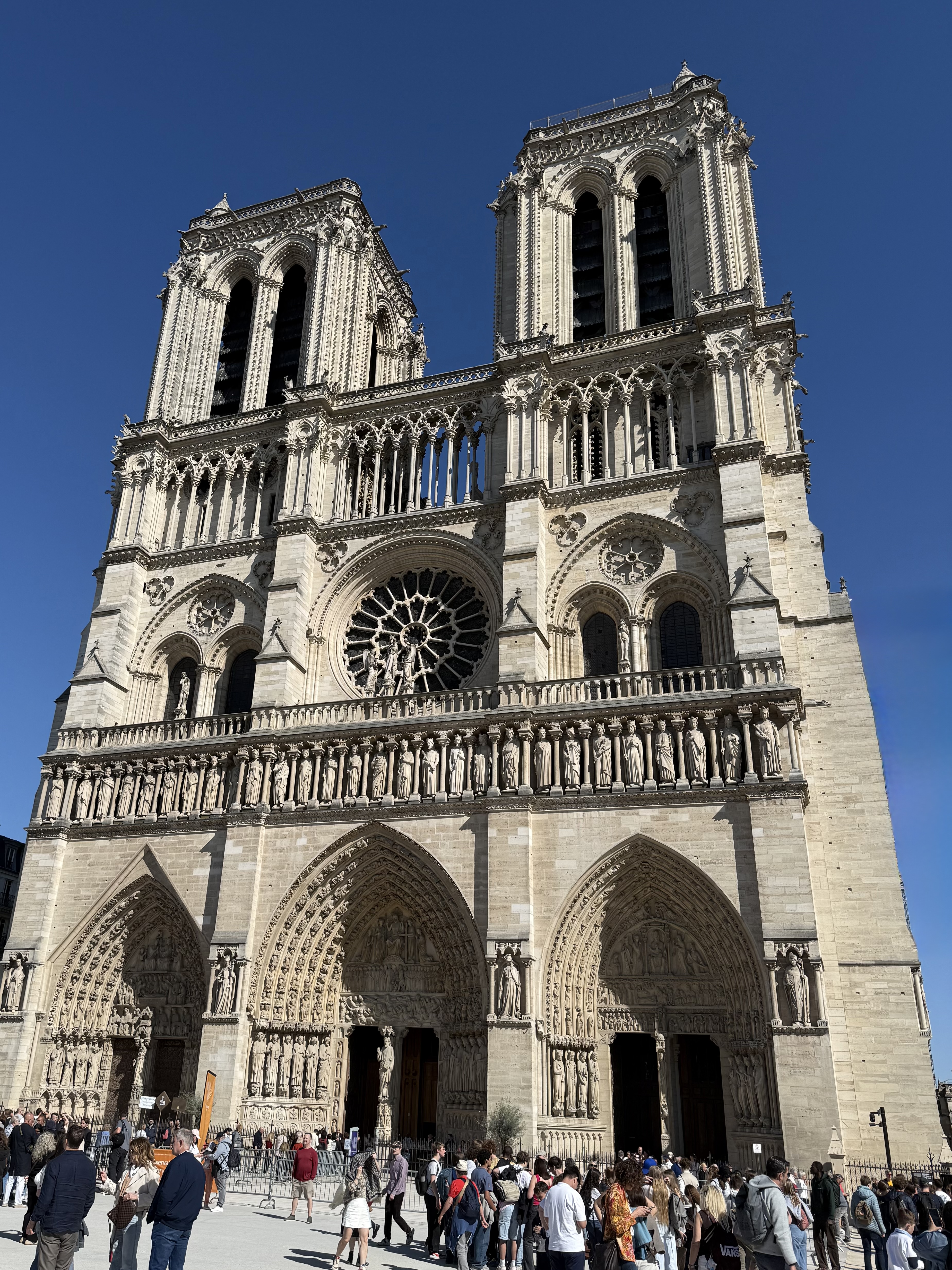
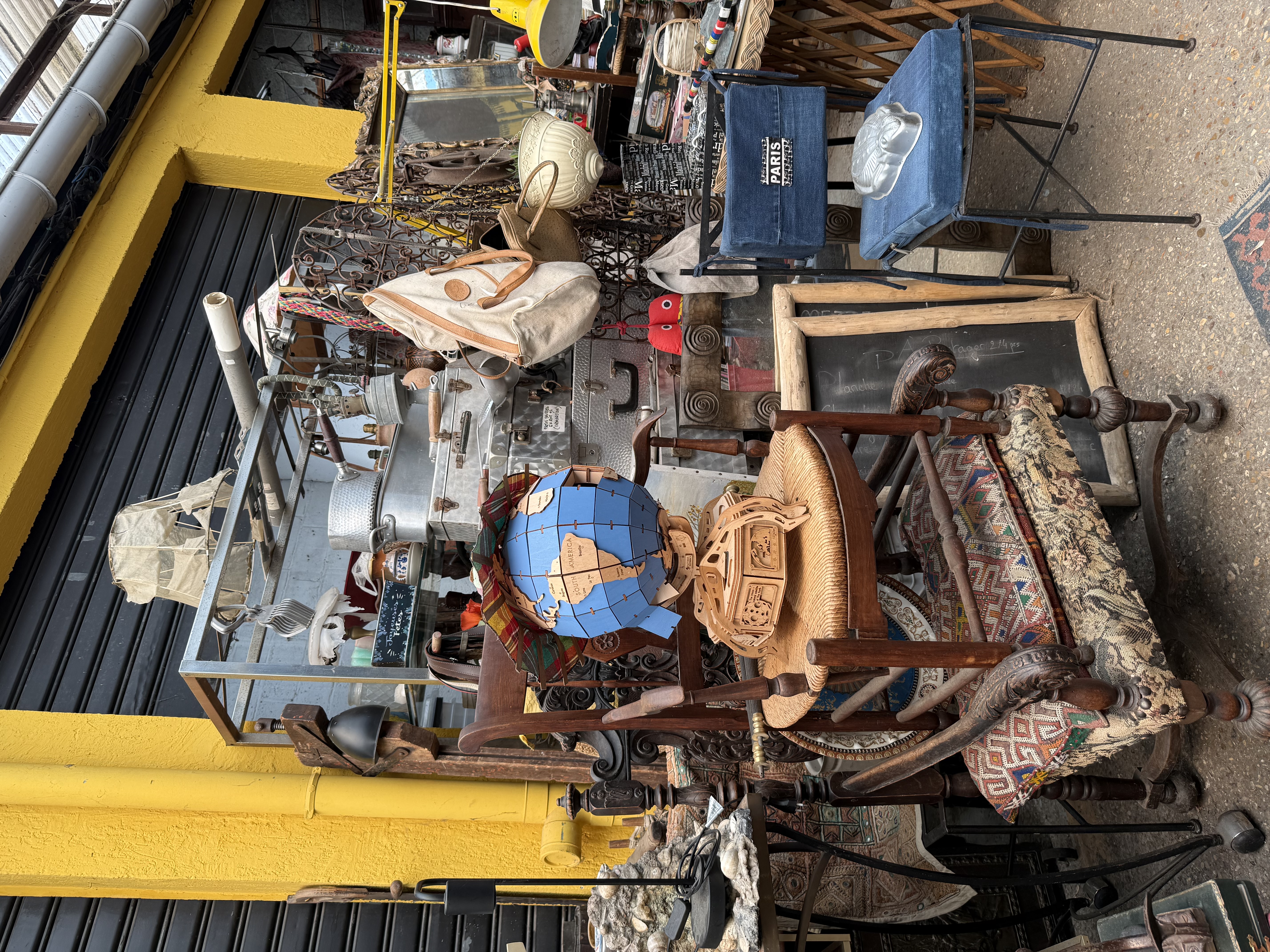
Paris in Pictures
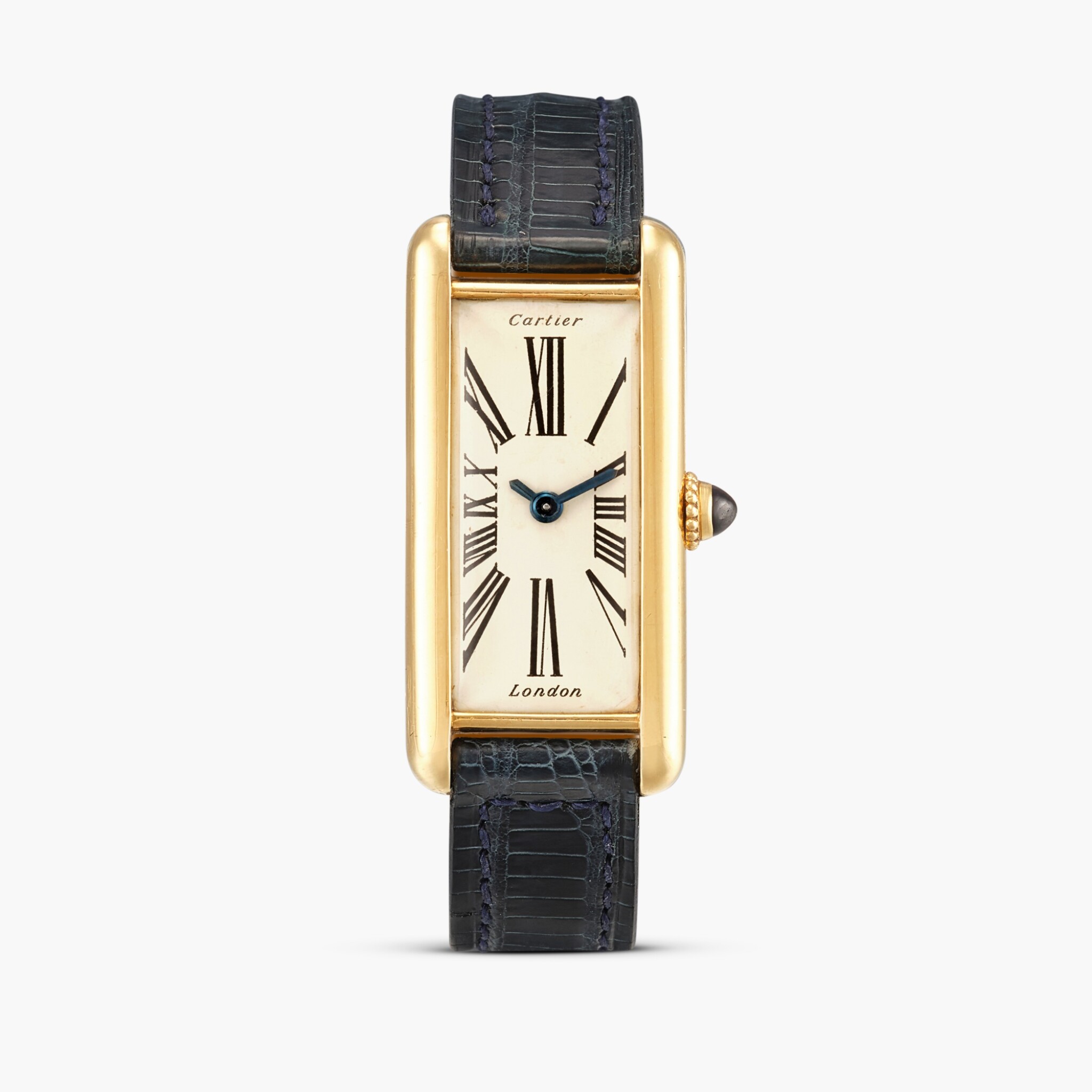
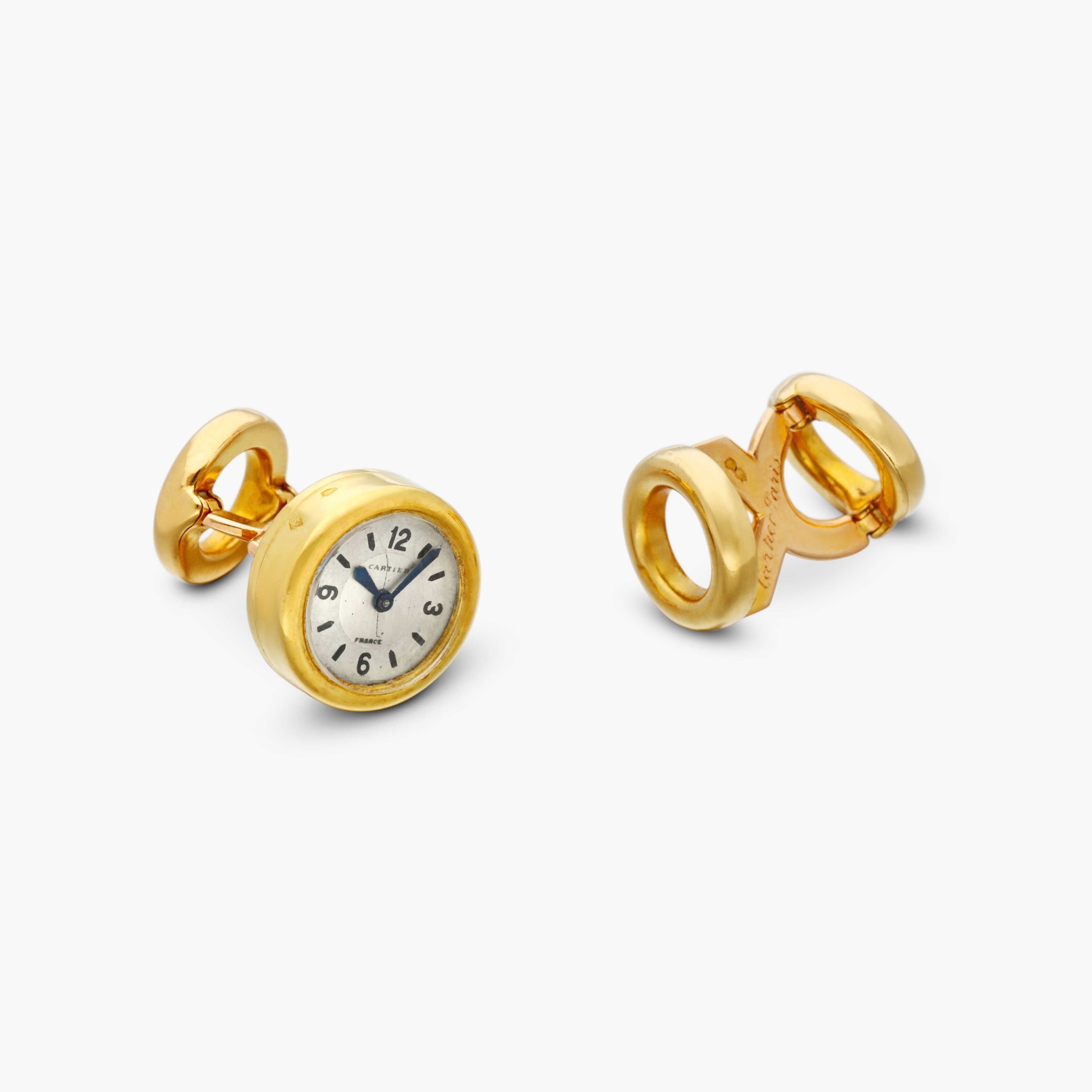
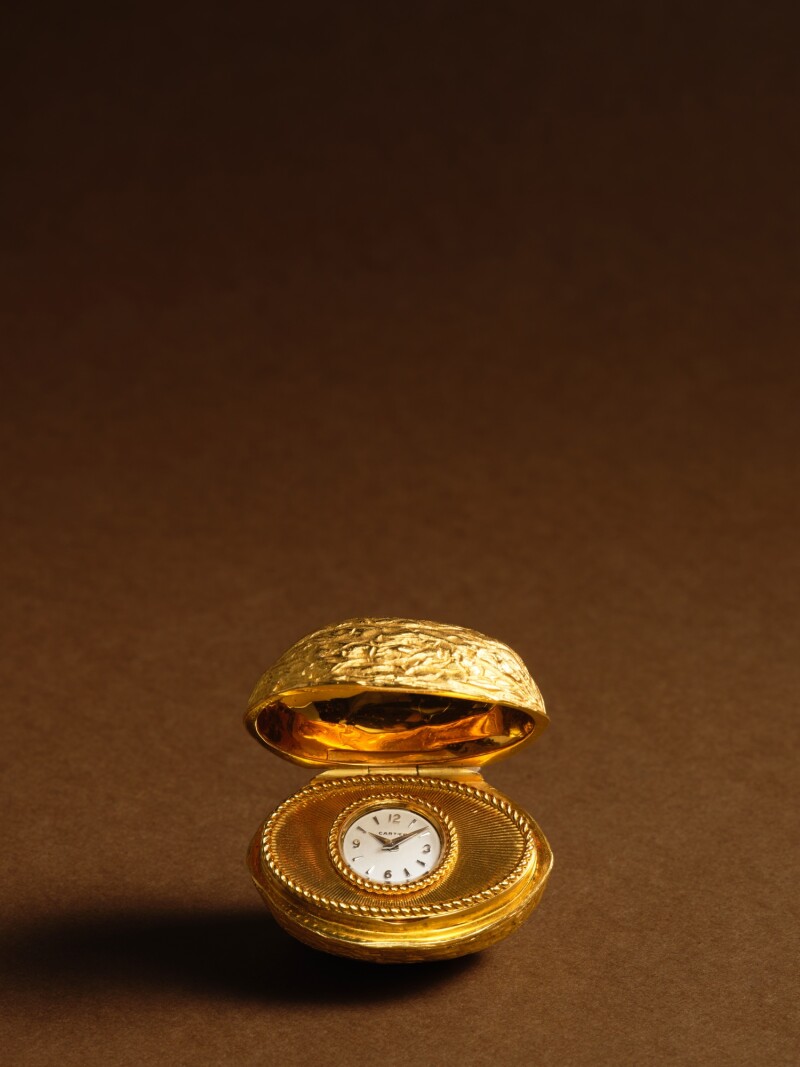
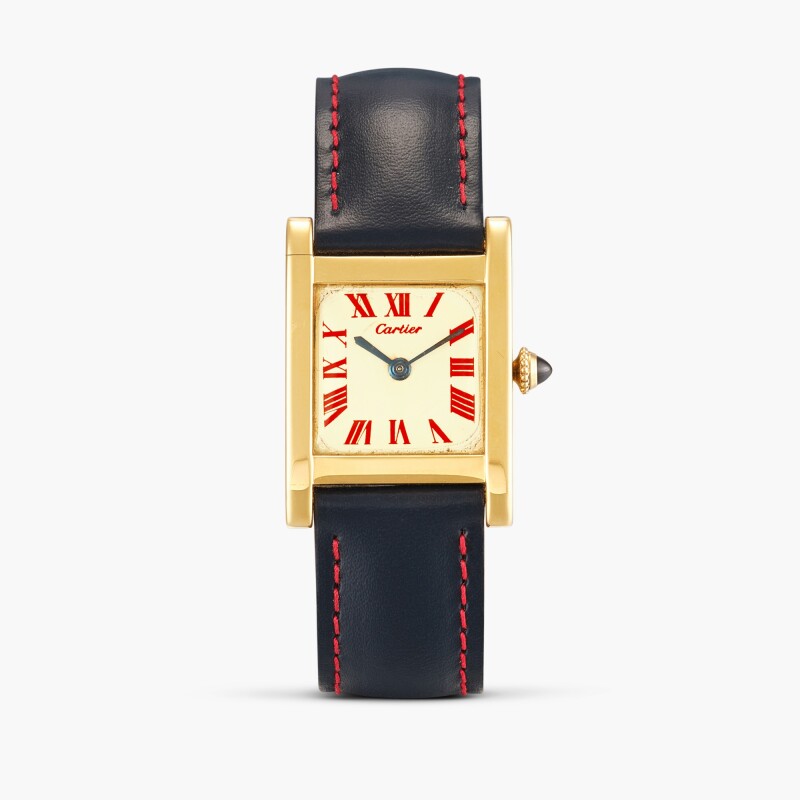
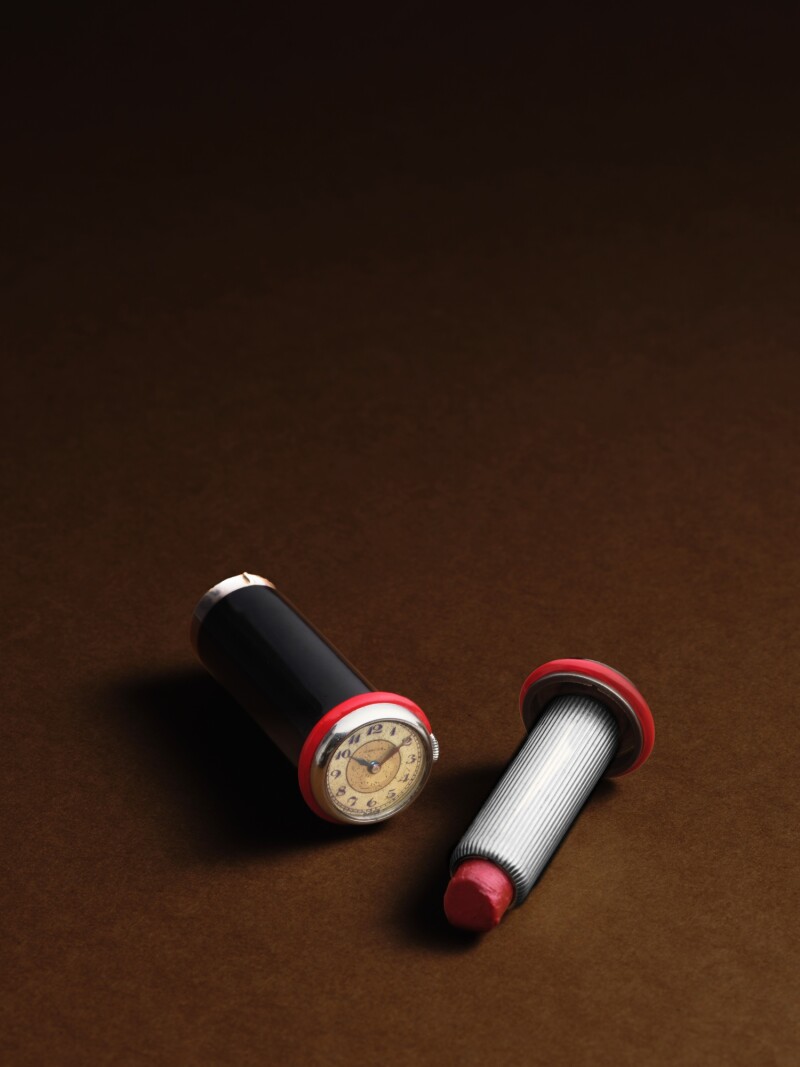
Shapes of Cartier at Sotheby'sOn now through December 2026. Browse lots here.