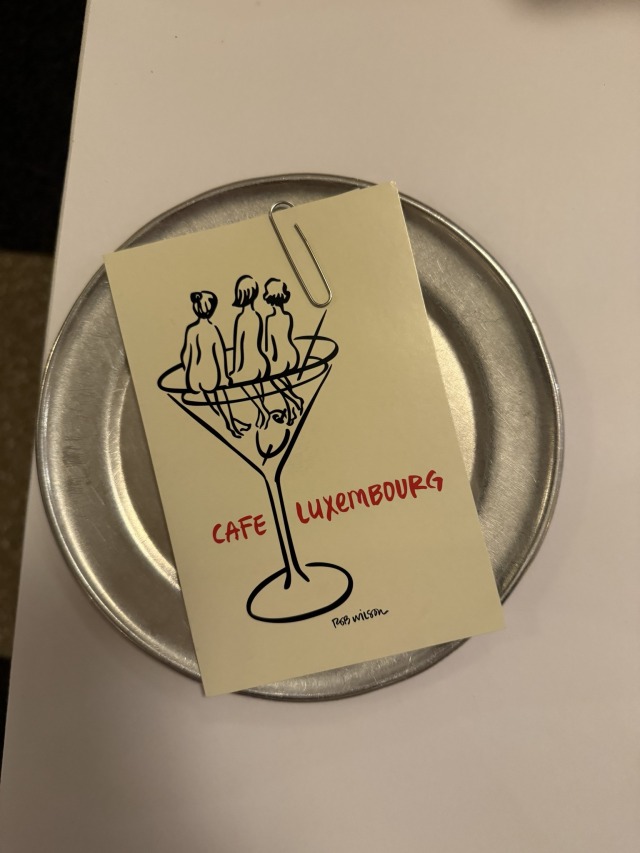
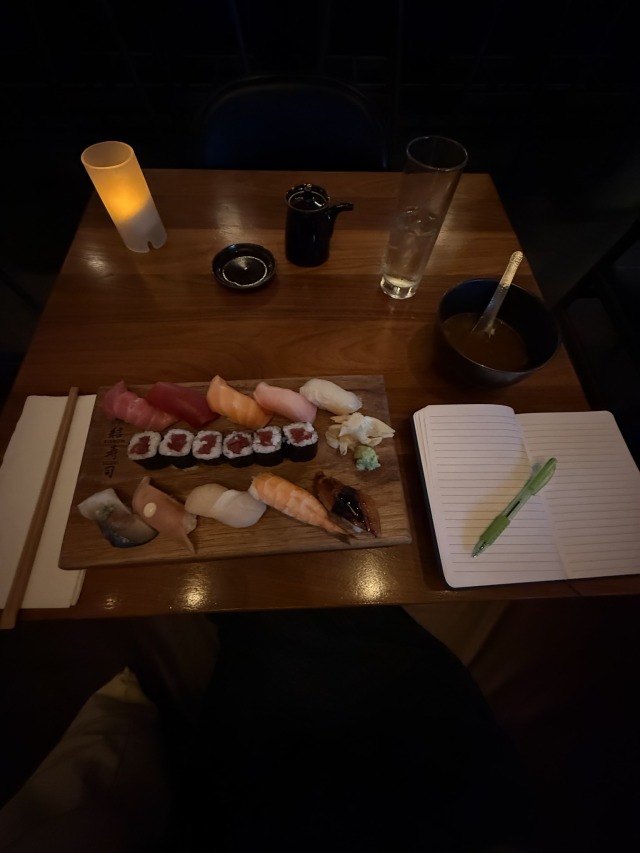
Power lunch
Power lunch
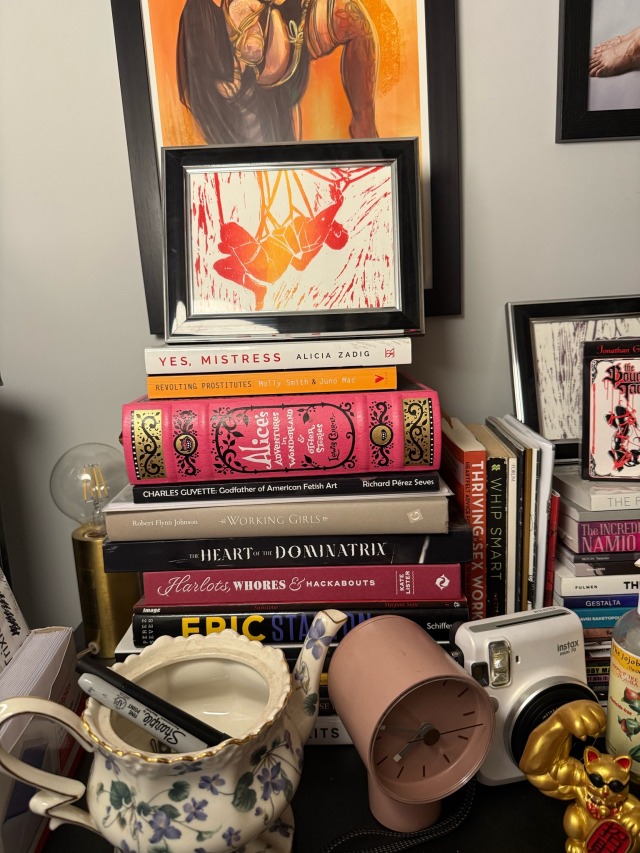
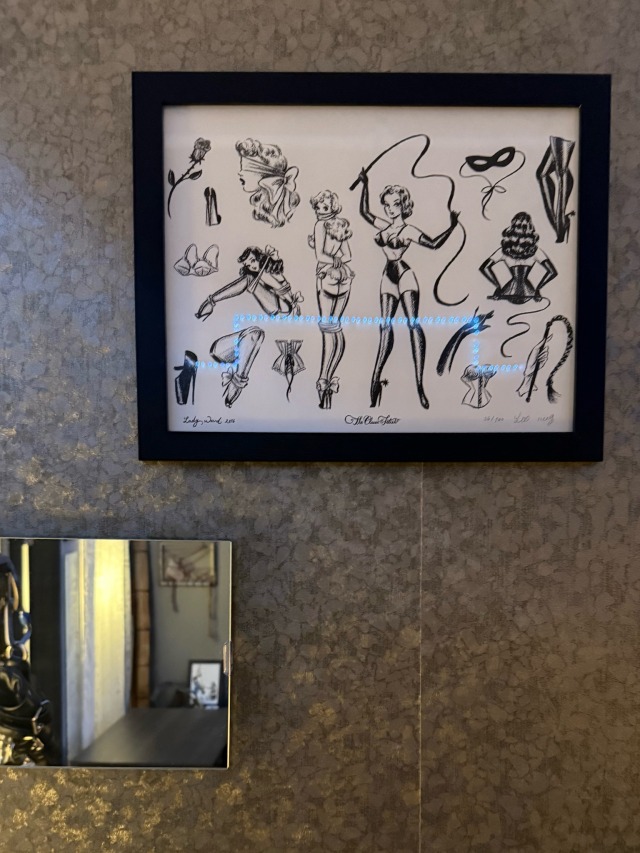
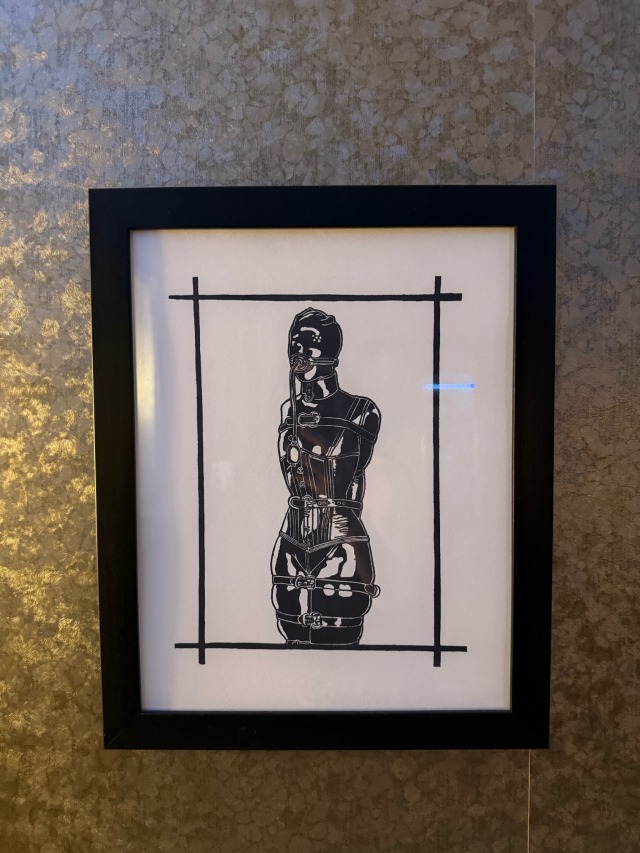
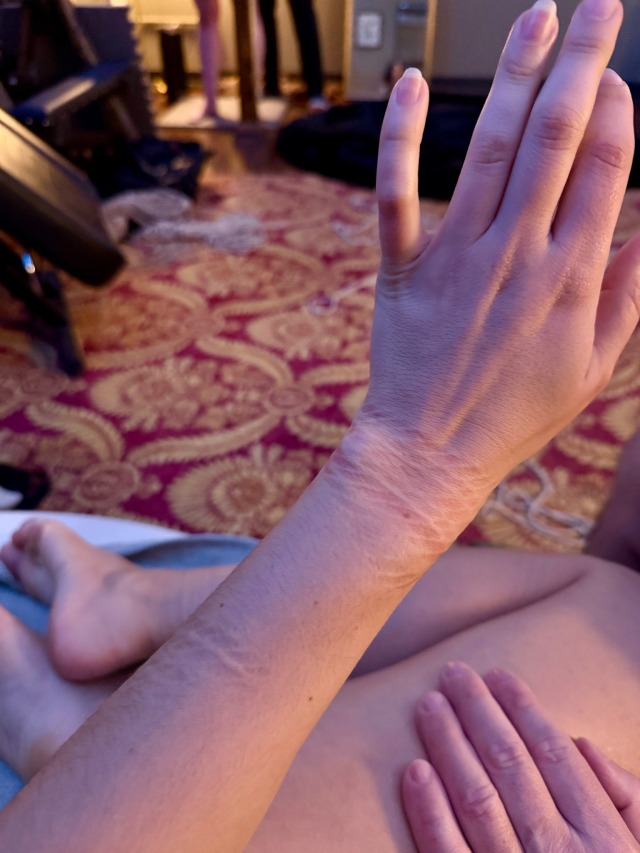
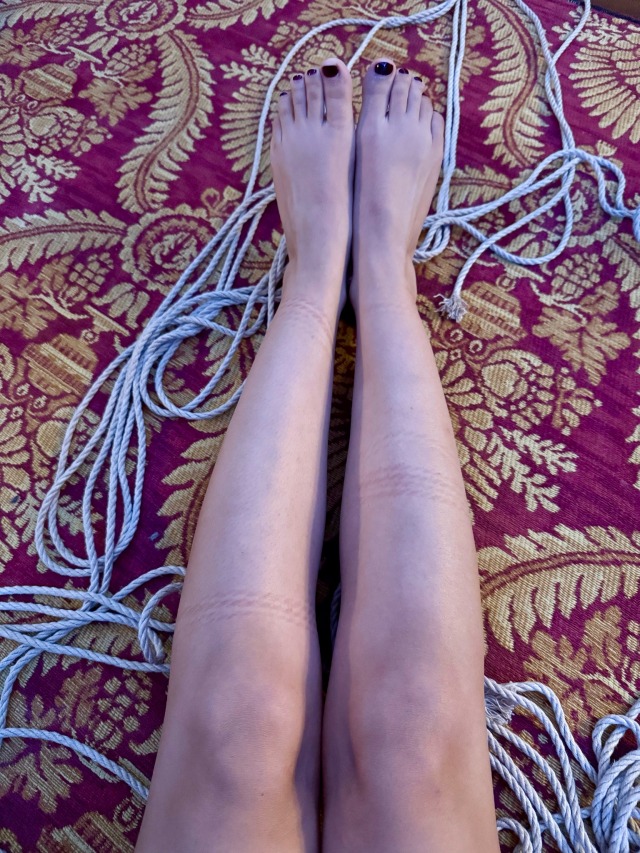
Another productive therapy session!
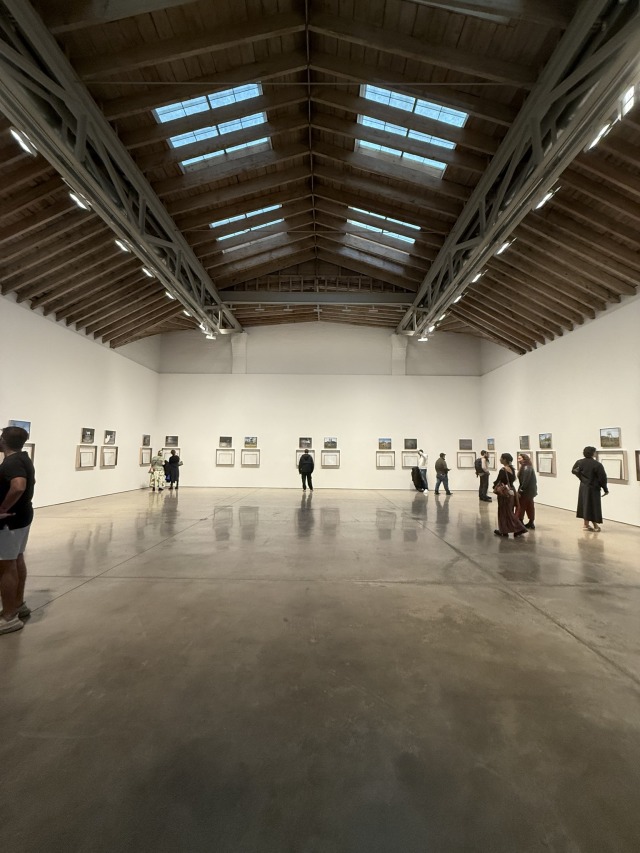
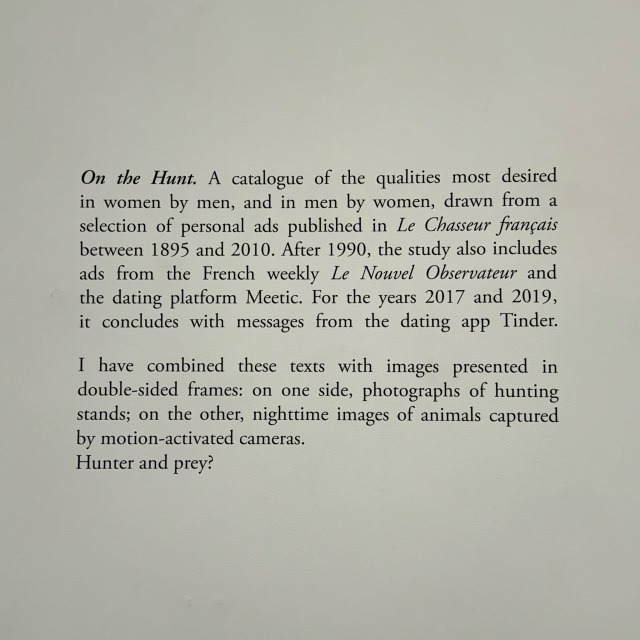
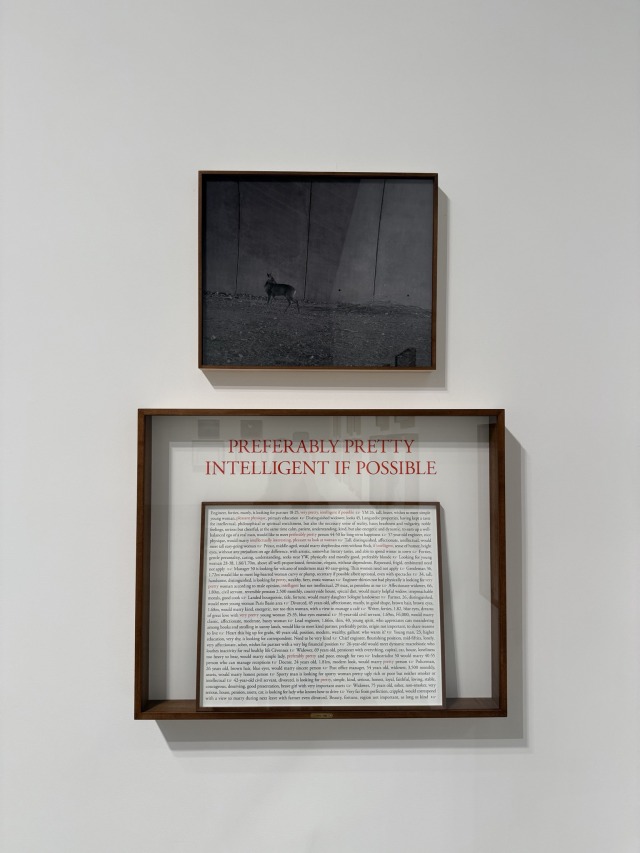
“Gentleman of leisure seeks lady of means. Would ignore stain if dowry is good.”
“Neurasthenics, neurotics, illiterates, egoists, antimilitarists need not apply.”
“Queen of a pretty seaside resort, 18 years old, pleasant face, asks for kind little husband to make a happy man.”
“Sociable without being a socialite, sentimental yet modern, looking for oblivion in marriage.”
“Preferring kindness to beauty…Personal fortune not needed, only need to be healthy and sober.”
“Looking for a brave heart, oval face, good teeth, beardless, sober, fortune for two. Noble, politician, pianist.”
“Charming little blonde doll, 32, dreamer, searching land and sea for a spouse from a dream, my husband yet unseen, my celestial beam!”
“Preference for a vegetarian spiritualist.”
“Preference for aristocracy.”
“Old, poor, ugly, yet whoever will marry me will not be disappointed.”
“Would marry a weary person who is really cultured. Urgent.”
“Prince, middle-aged, would marry shepherdess even without flock.”
“Intelligent but not intellectual.”
“Beauty, region, fortune not important, as long as kind.”
“SOS final shipwreck of the heart.”
“The most radiant contemplative epicurean, 59, charming flaws, suddenly cannot bear the weight of her unused tenderness and is starting to get out of control.”
“I dream of fervent tenderness, protection, thoughtfulness, mutual adoration.”
“Profession doesn’t matter in view of the current climate.”
“Pretty West Indian swallow, 36, 3 chicks, is looking for metropolitan bird to fill the gap in their nest.”
“Daft person still believing in love, already half a century…Sentimental to excess, sensual but cerebral, feminine but futile, hopes for a miracle.”
“Would like to meet not-too-ugly Mr. to share Bach, Van Gogh, Jean Daniel, and steak au poivre.”
“Sad clown, oddball, would take off red nose and pajamas for good run with superb romantic flower. Materialistic nags, don’t bother.”
“Whipping lover, like Father Flog, dreams of a sensual cerebral and rebellious accomplice for whom affectionate welts are an extreme homage and able to see in her partner’s talent erotic attributes that offer a little bit of madness.”
“I avoid amazons and proud bachelorettes.”
“You are full of wit, with a big house to fix up.”
“Which diamond of great purity would share a padded case with a solitaire 52 carats? Fakes need not apply.”
“Looking for the LAST man of her life to block off melancholy, anesthetize memories, conjugate verb to love.”
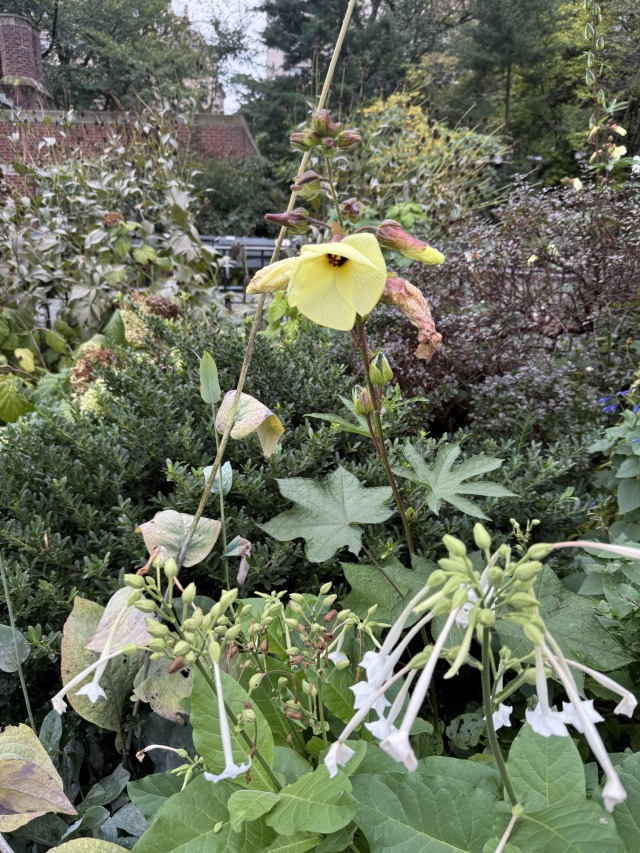

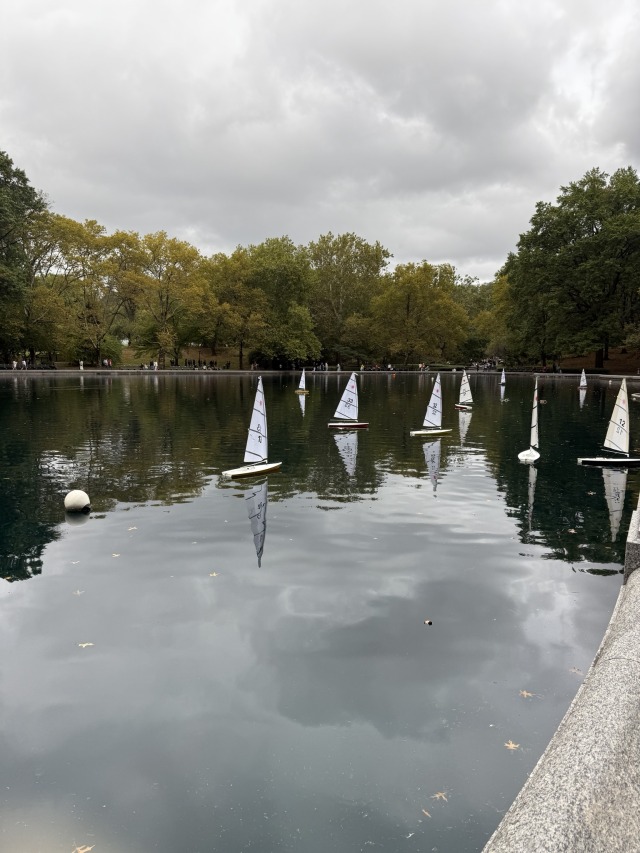
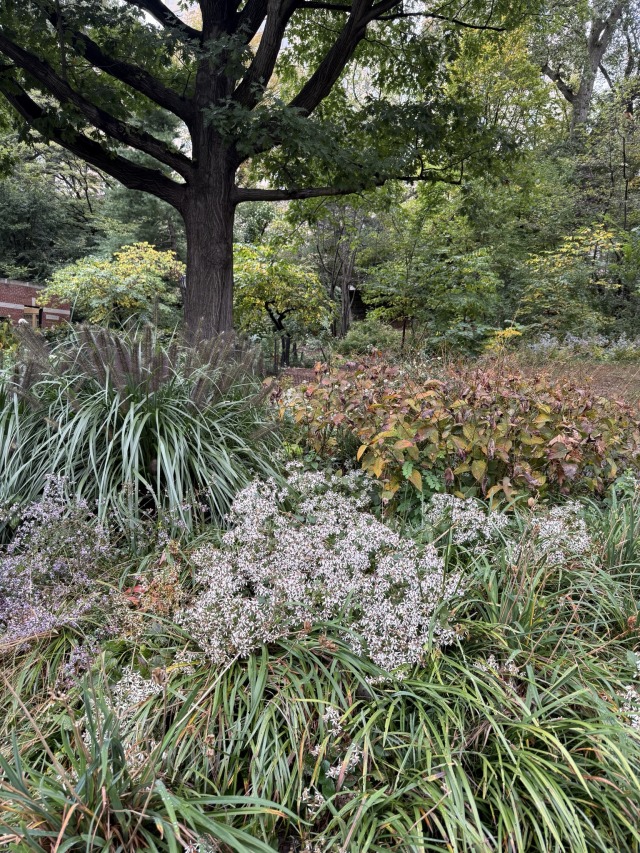
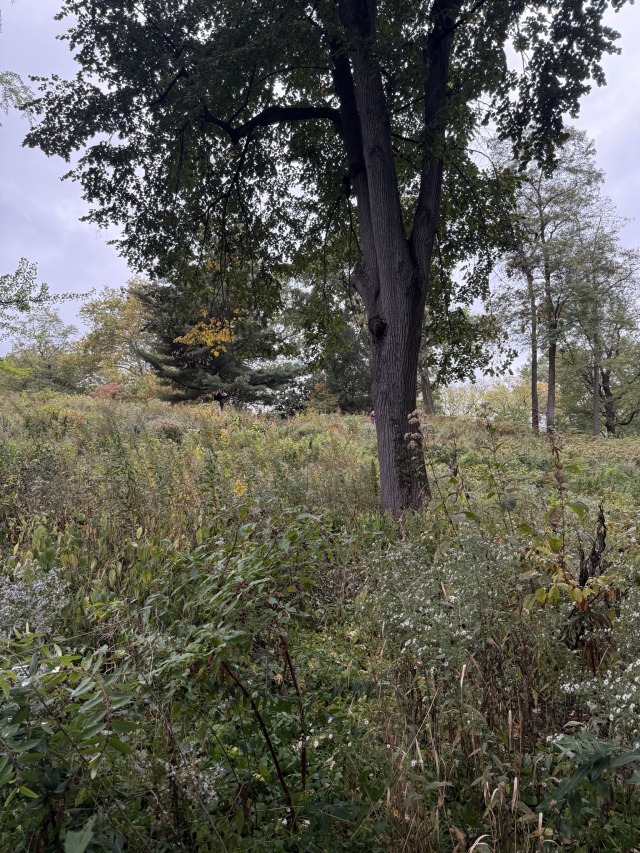
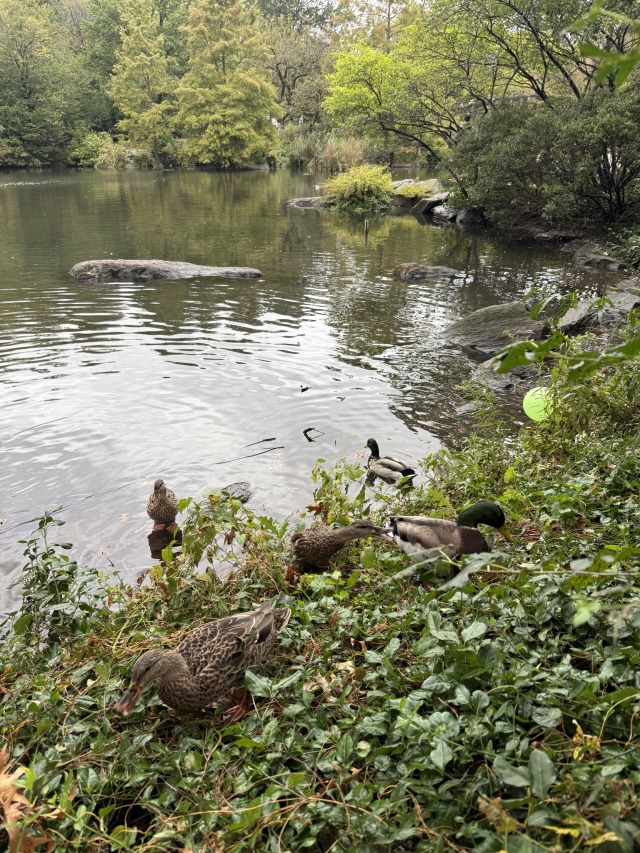

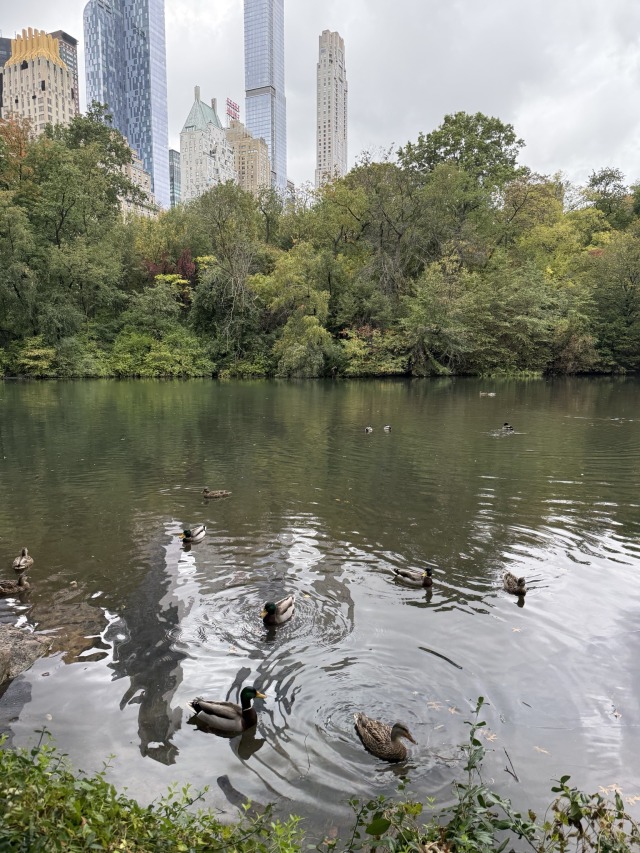
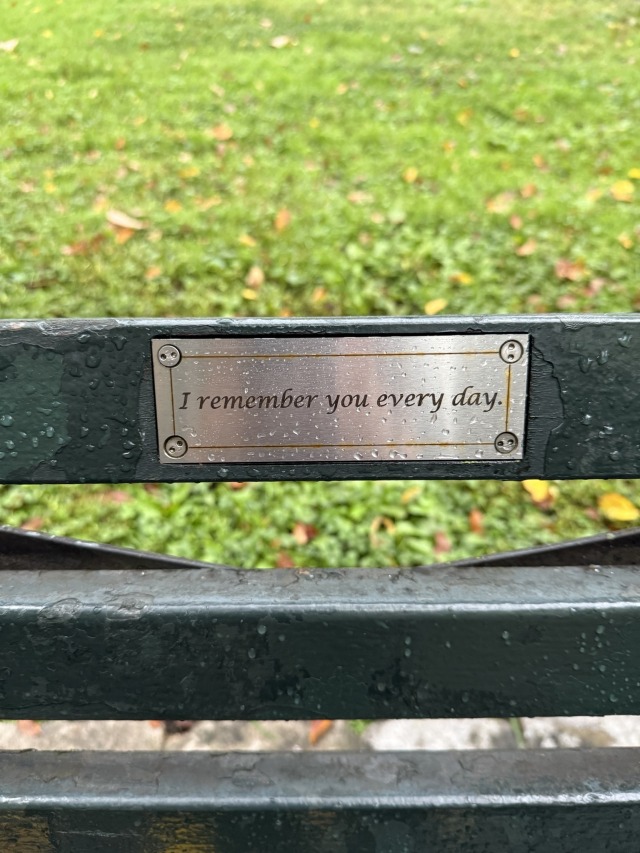
A proper fall walk through Central Park.
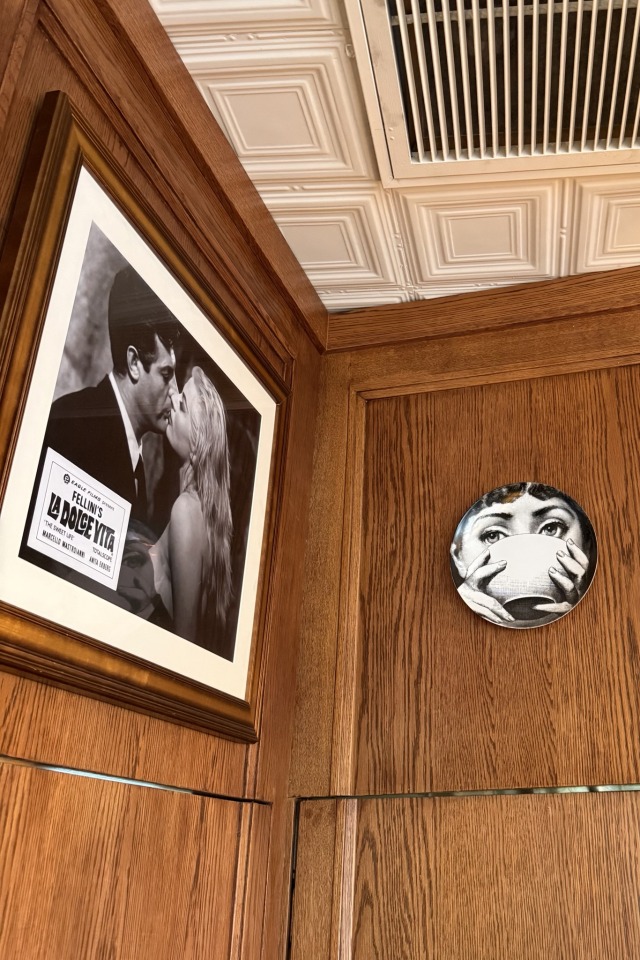
Everything always comes back to Sappho’s Fragment 31.
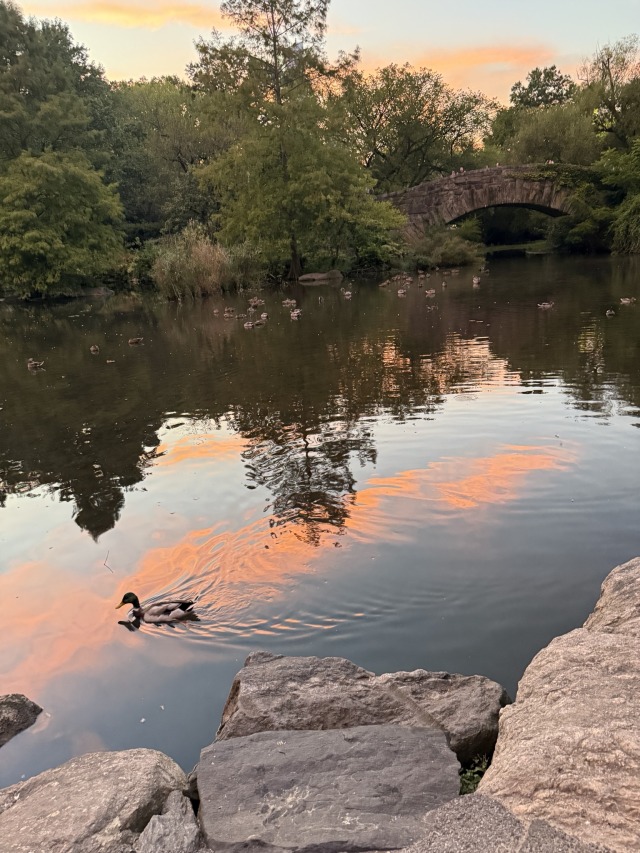
The ducks say hi!
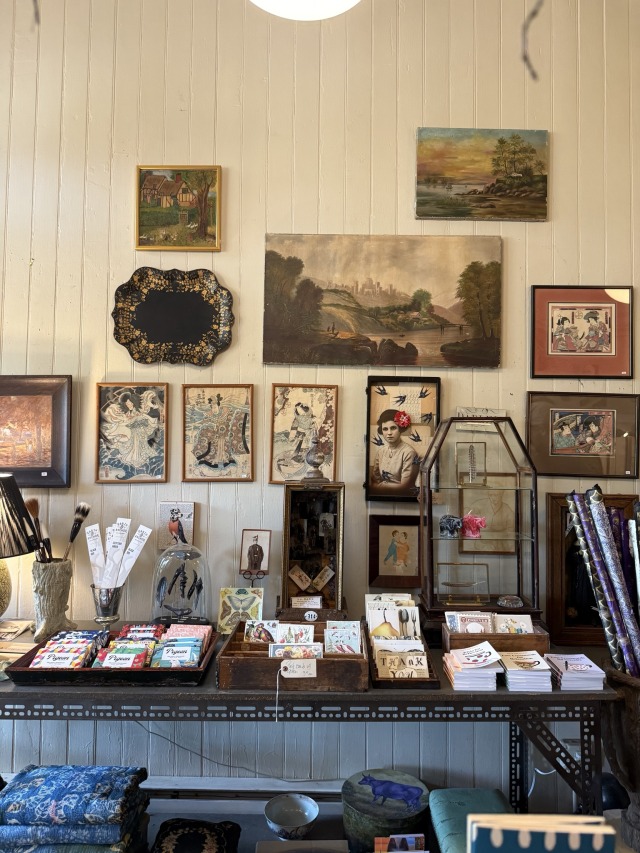
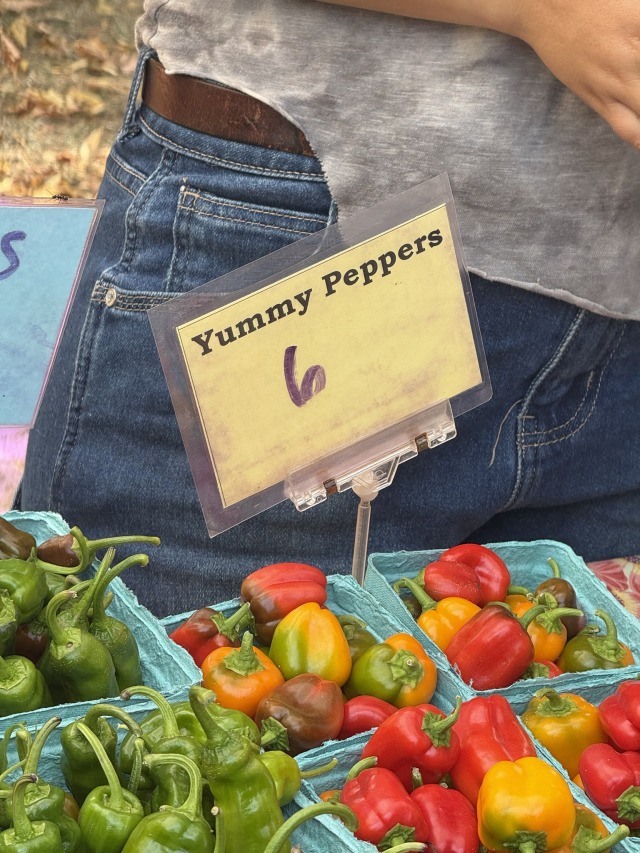
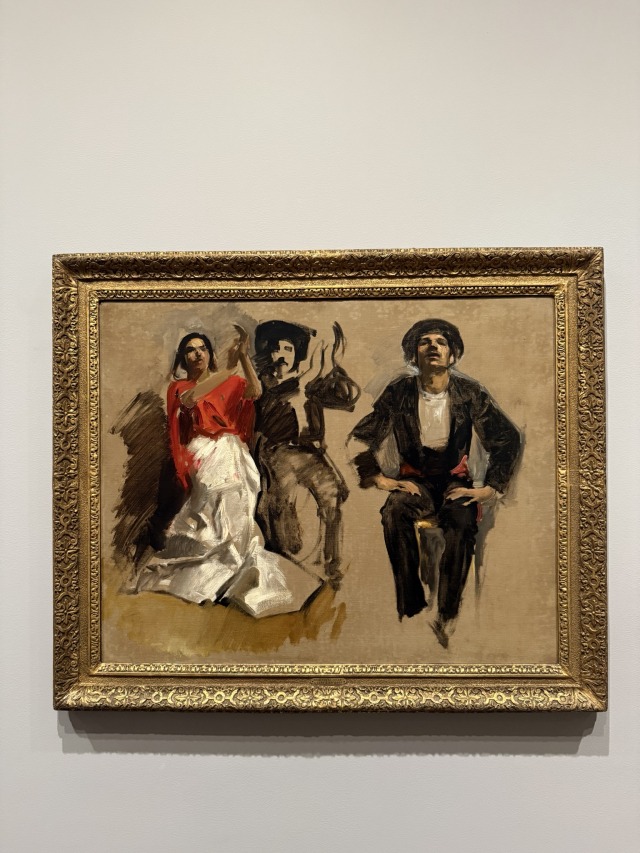
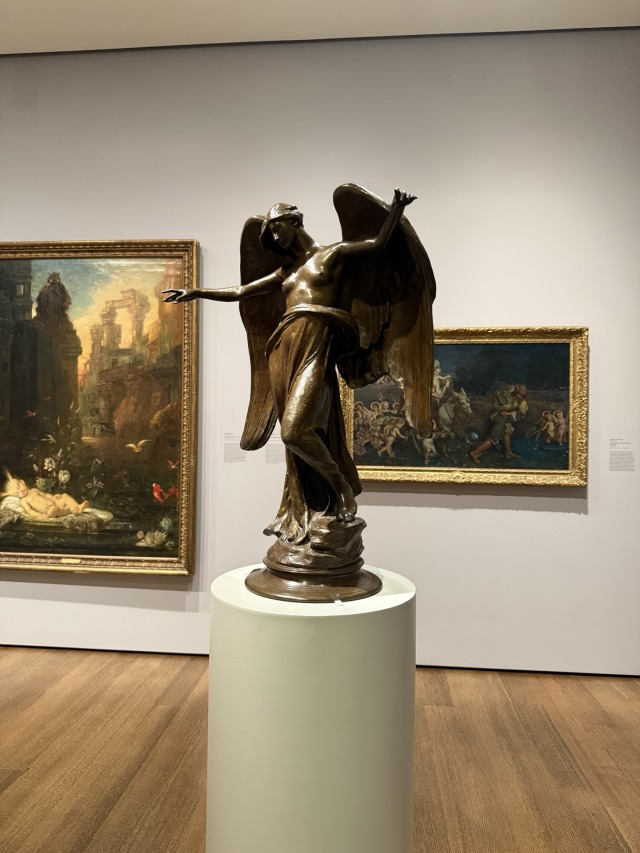
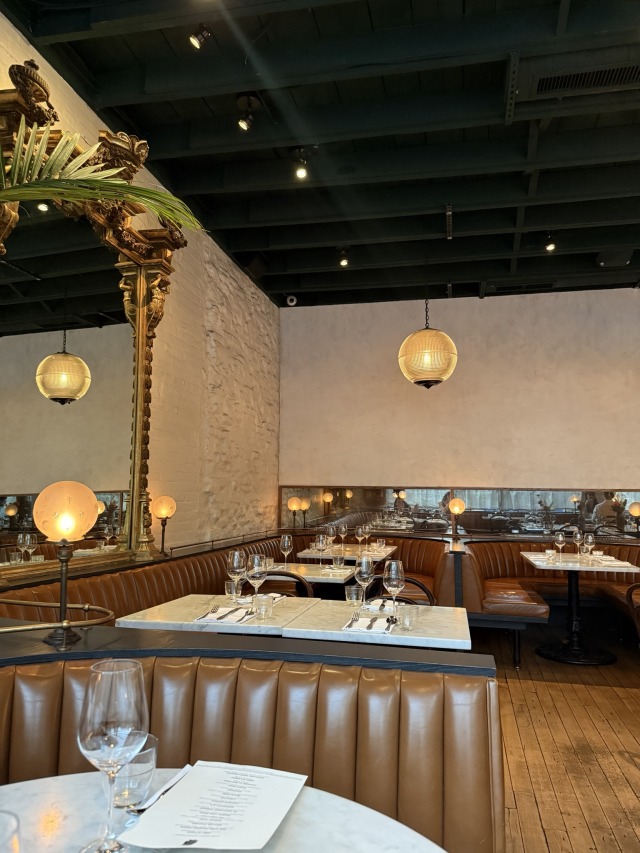
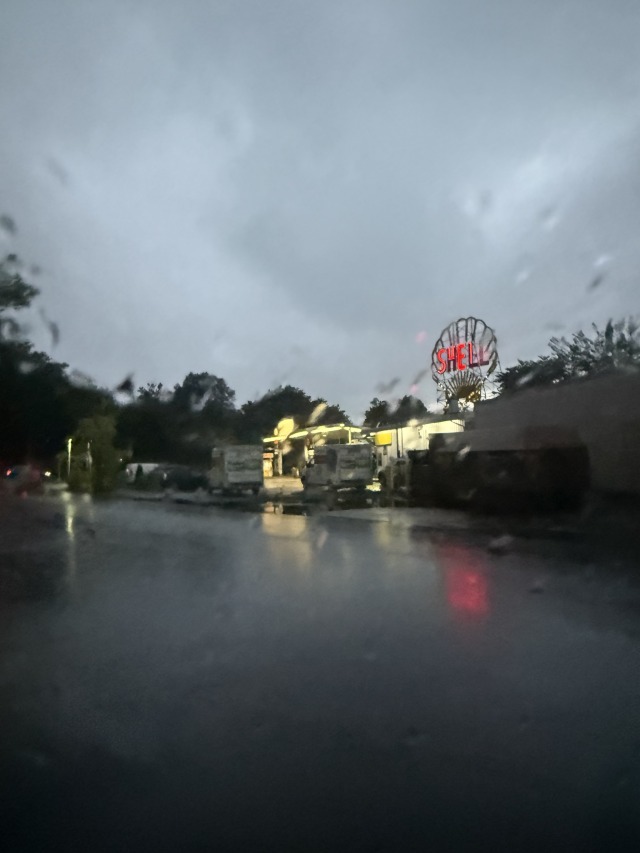
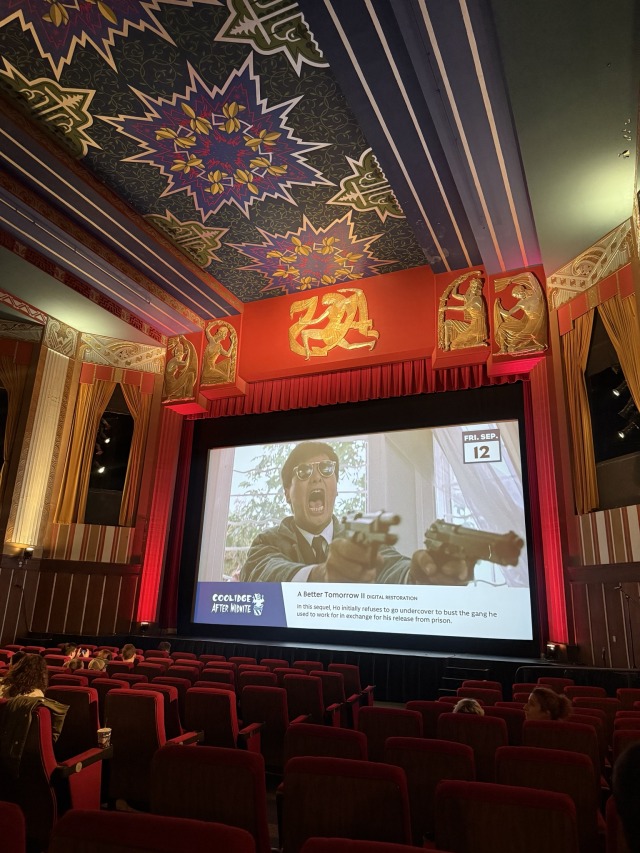
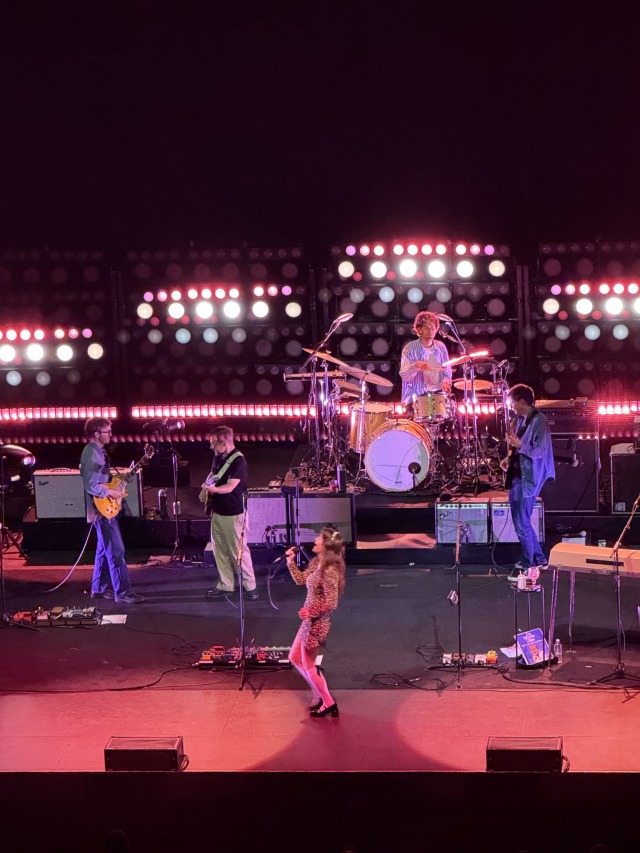
I was just in Boston to visit Hannah for three nights. It’s been such a long time since we’ve had a weekend like this—I can’t believe how much I needed it. In 2023, I came for Valentine’s Day weekend, and we went to the Dita von Teese show. In 2024, I was there for another perfect weekend, attending her and Michael’s wedding the day before I left for Ireland. Very happy we planned this for early September, as the air was so perfectly crisp and the collegiate vibes were at their peak. This is what we did:
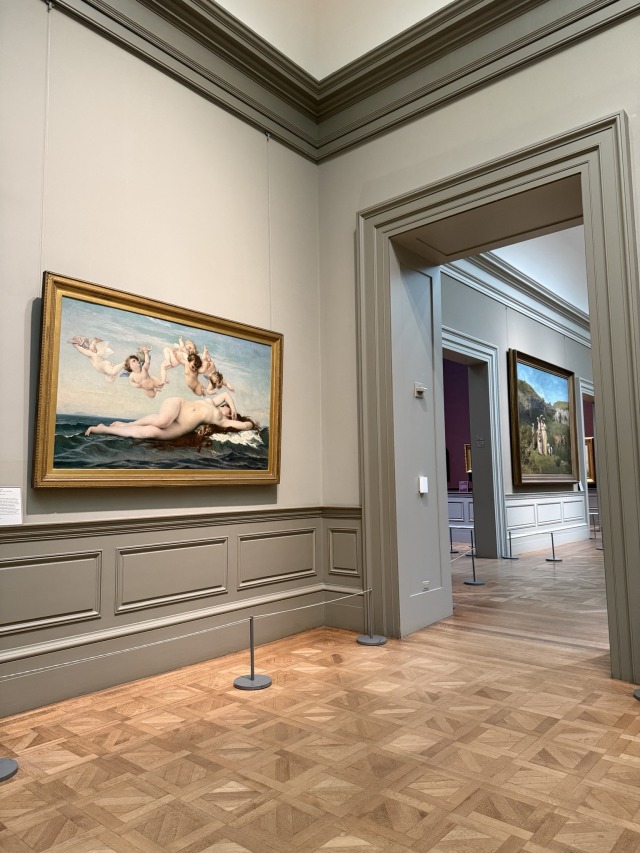
On Sunday, I sat on the bench in Gallery 811 of The Met and communed with the atmosphere created by Cabanel’s The Birth of Venus. From afar, Venus looks like she may be asleep, but under the shadowy crook of her arm, her eyes are very much open and narrowed at the viewer. I enjoyed watching patrons, upon passing by her, do a double-take, slow to a stop, and inevitably pull out their phone to capture her. Observing the passersby as part of the artwork, I made penetrating eye contact with certain individuals as they broke their gaze from the painting. Their perception upon realizing they had just been perceived was jarring for us both—I’ve come to really love the highly discomfited shock of meeting a stranger’s eyes.
I feel drawn to this vantage point again and again, as it helps me get a read on the quality of my psychosexual energy that I’m putting out into the world. I was last here in June, on the cusp of the first truly brutal NYC heat wave, steeling myself against a week without air conditioning, under the deep influence of lustful misery. Perhaps I had been here inadvertently trying to seek council or solace from Venus herself.
In June, I sat here and sobbed. On the last day of August, I made several men jump… just by looking at them.
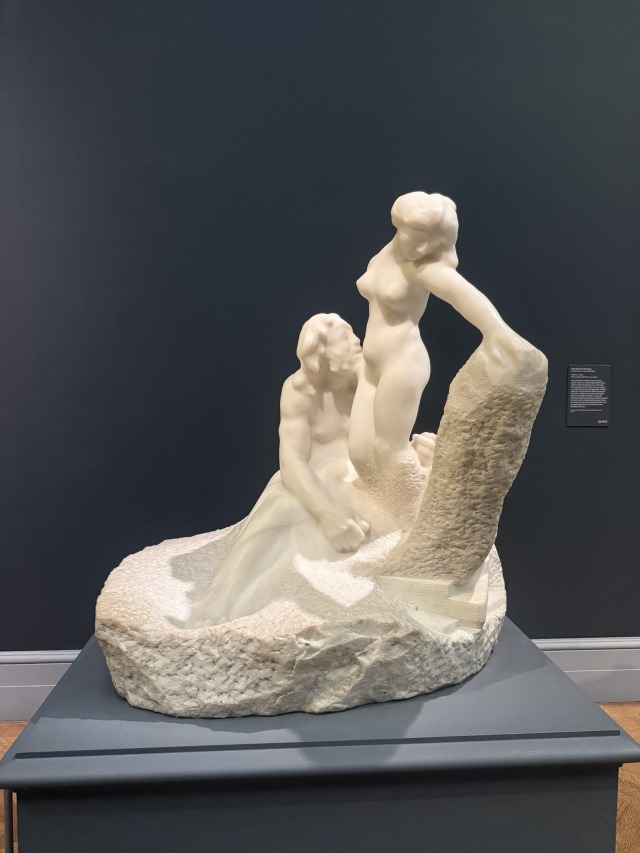
Lately, I notice a new Rodin every time I’m at the Met. This one is Pygmalion and Galatea. From the exhibition copy:
According to classical mythology, the sculptor Pygmalion so desired a marble woman he had carved that Venus, the goddess of love, granted her life. Rodin depicts the statue of Galatea quickening at the sculptor’s touch, her glowing body emerging from unfinished stone. Yet this Pygmalion is not the handsome youth of tradition, but rather a stocky, bearded man resembling Rodin, whose name is prominently inscribed next to the mythical sculptor’s on the side of the base. In his quest to endow his figures with living force, Rodin regarded himself as a modern Pygmalion.
At this point, a guard announced to the room that the museum would be closing in 15 minutes. Feeling that I was in a bit of an art trance that I wished to prolong (which would not be possible if I were jostled amongst the rush, noise, and confusion of the departing crowd), I asked him what the most direct way to exit would be. By way of answering, he beckoned me across the gallery, unhooked a velvet-rope partition in front of an elevator, and escorted me down to the lower-level members’ entrance. I thanked him and walked back into the 5 p.m. sunshine.

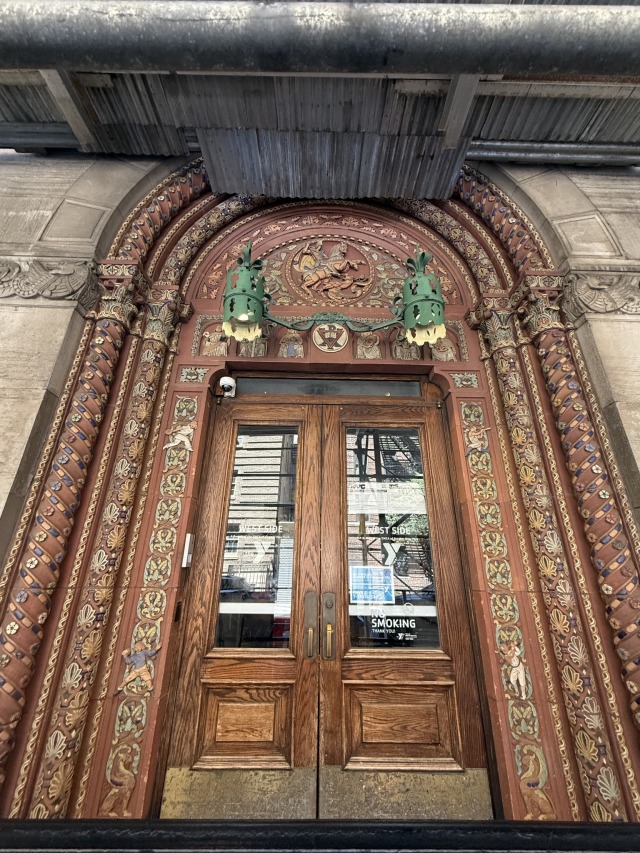
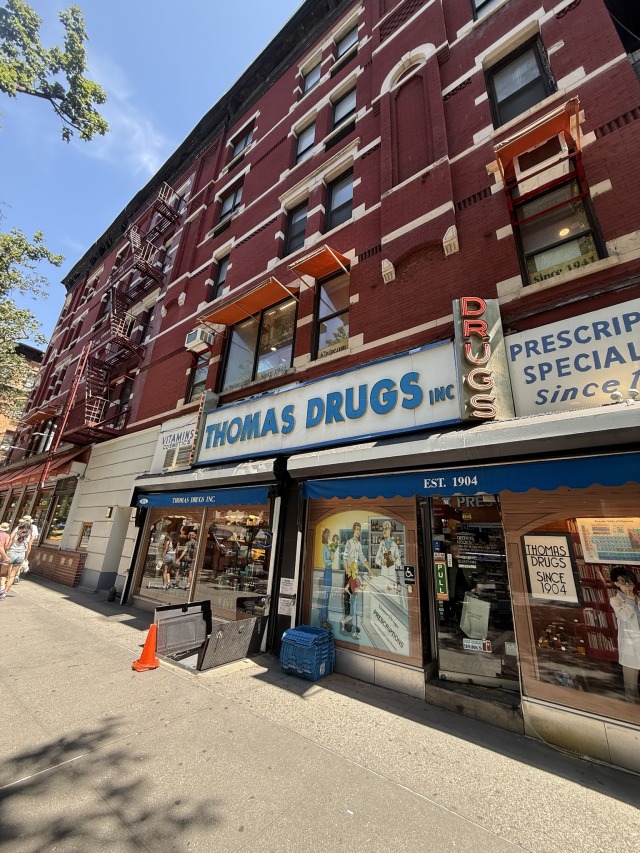
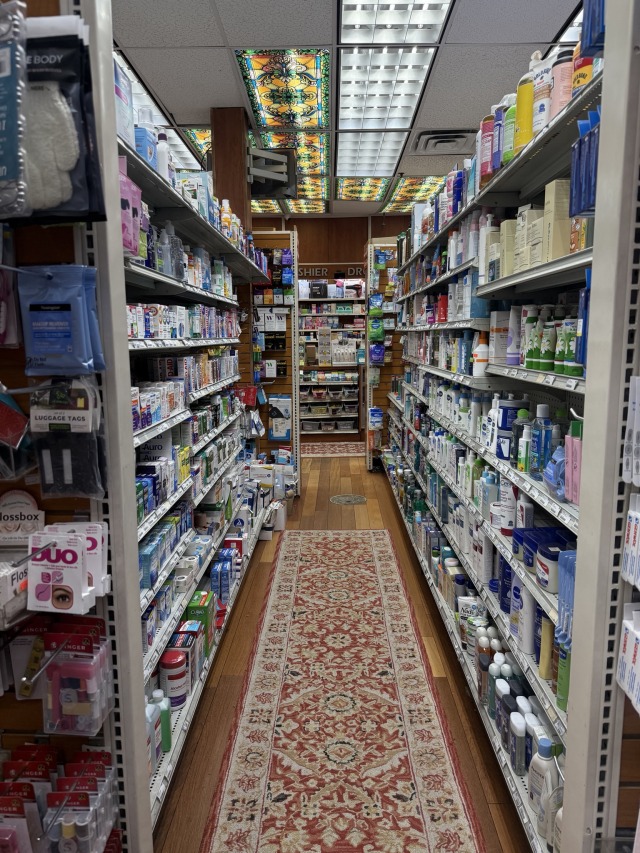
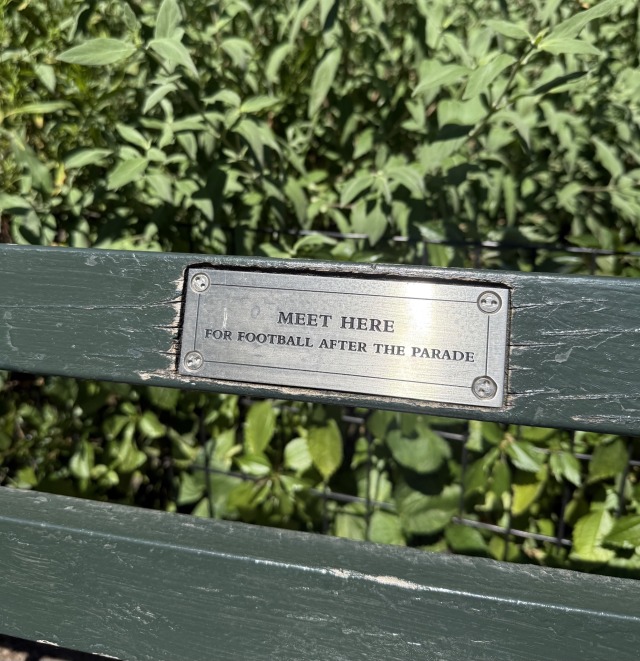



Timely coda to my recent post about this now-retired logo.
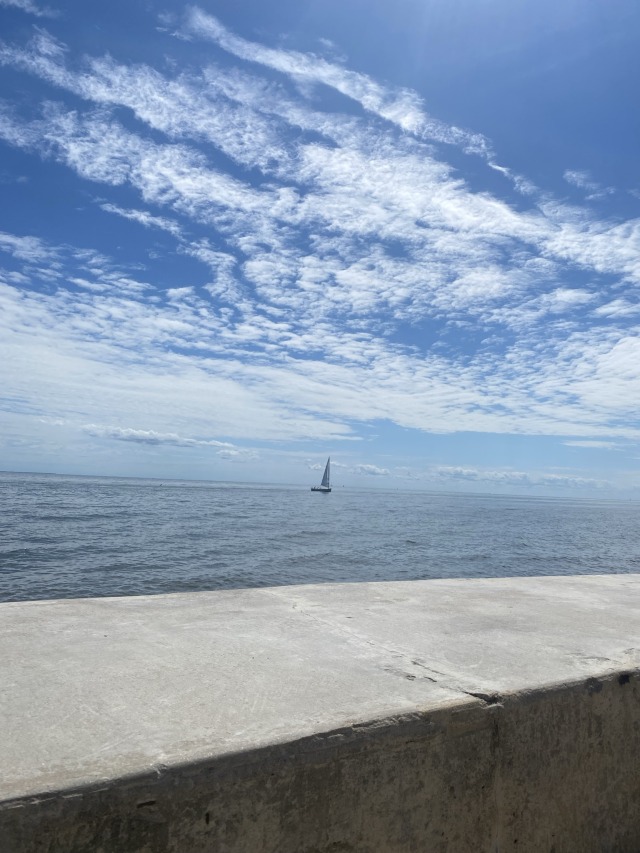
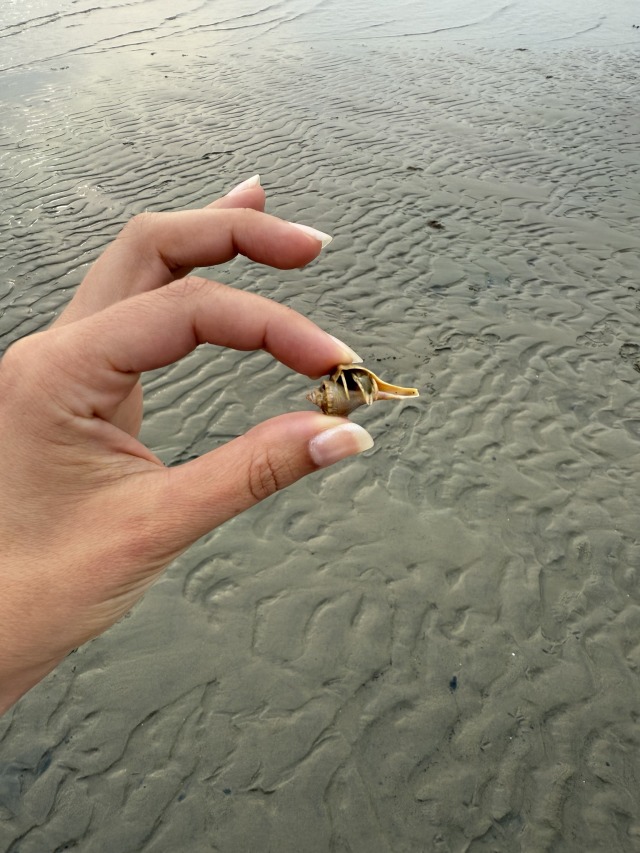
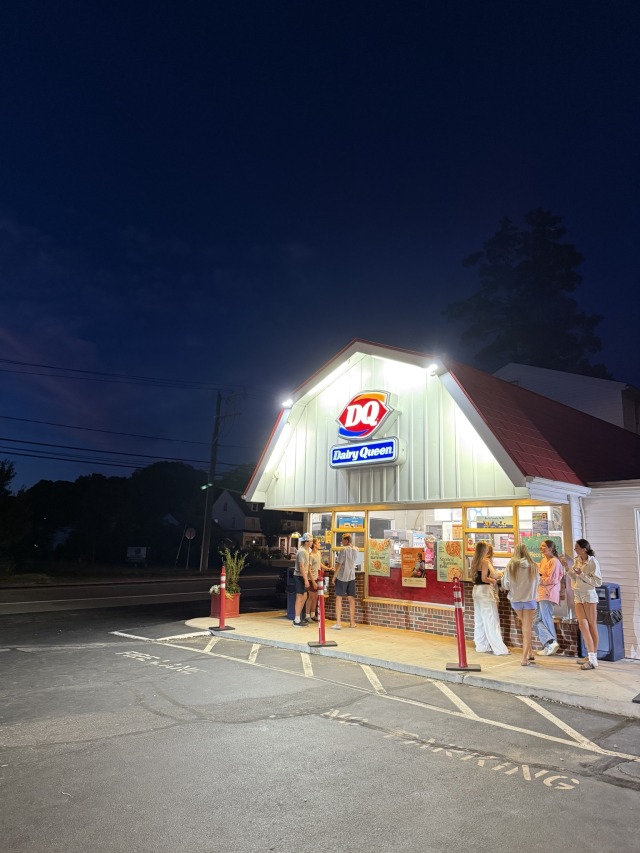
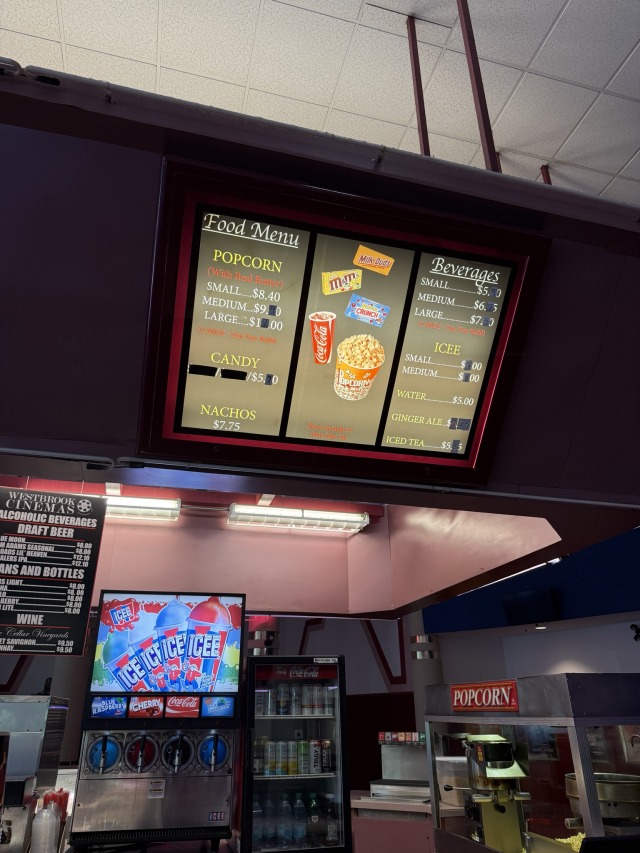
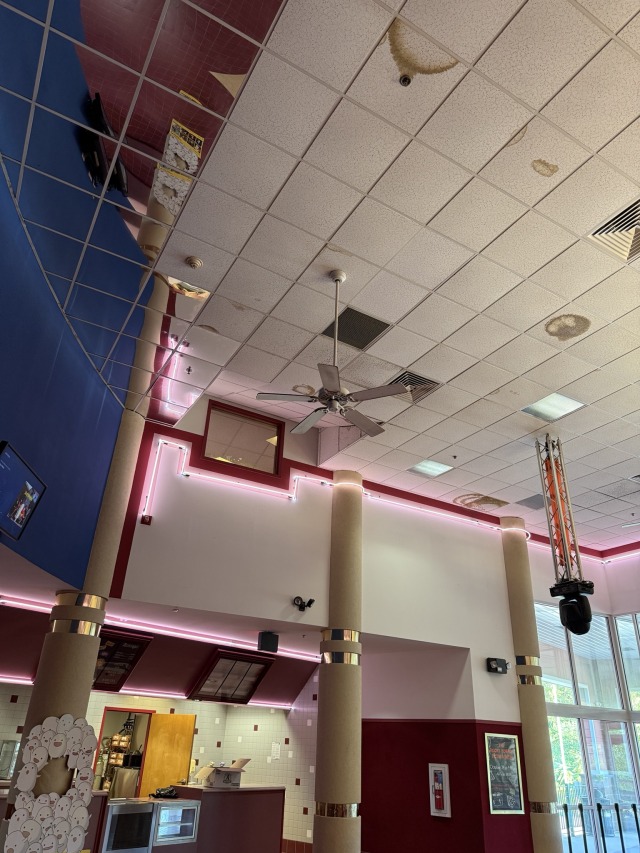


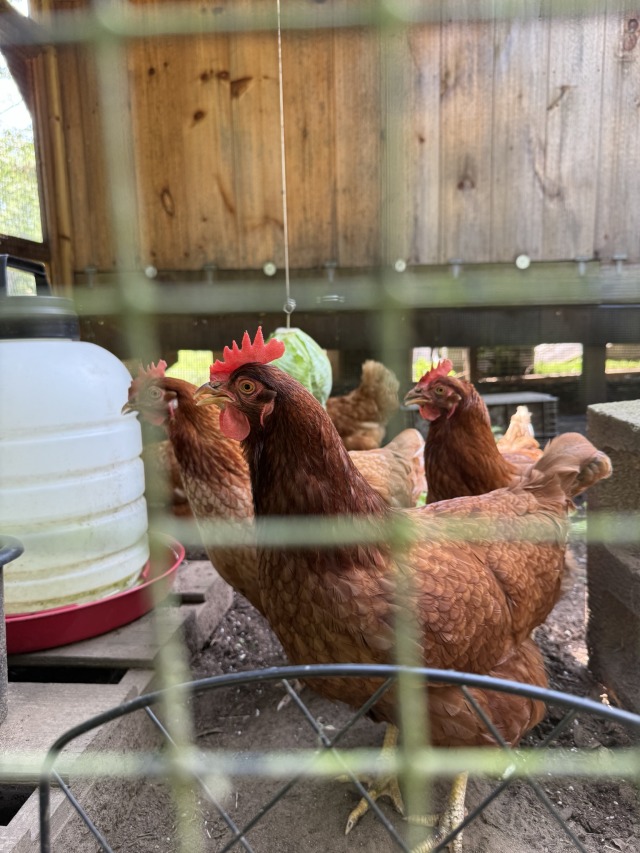
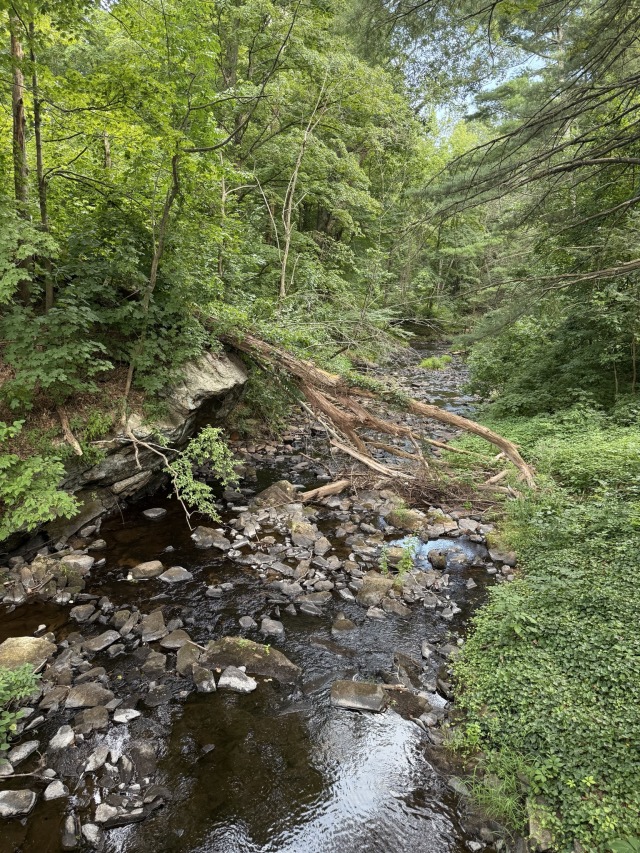
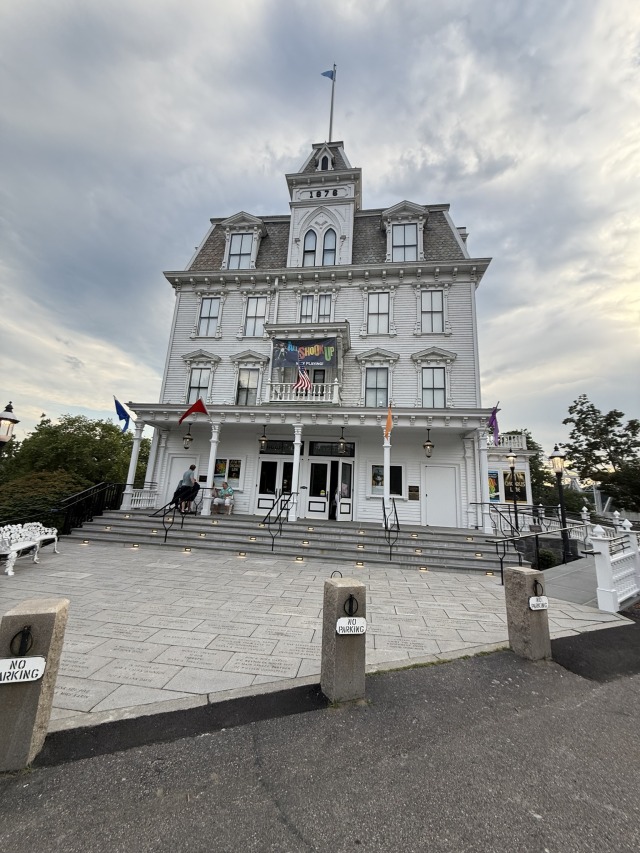
Scenes from the perfect summer week in CT

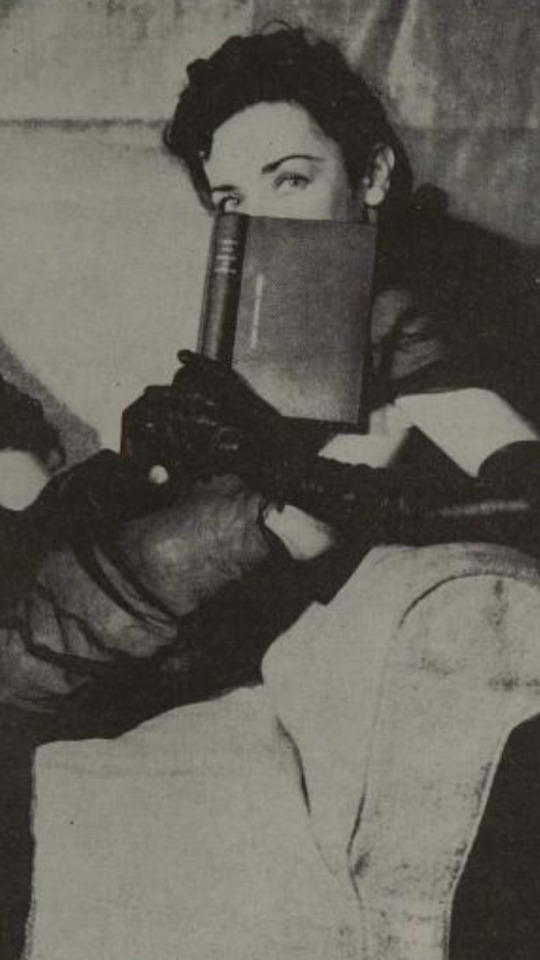
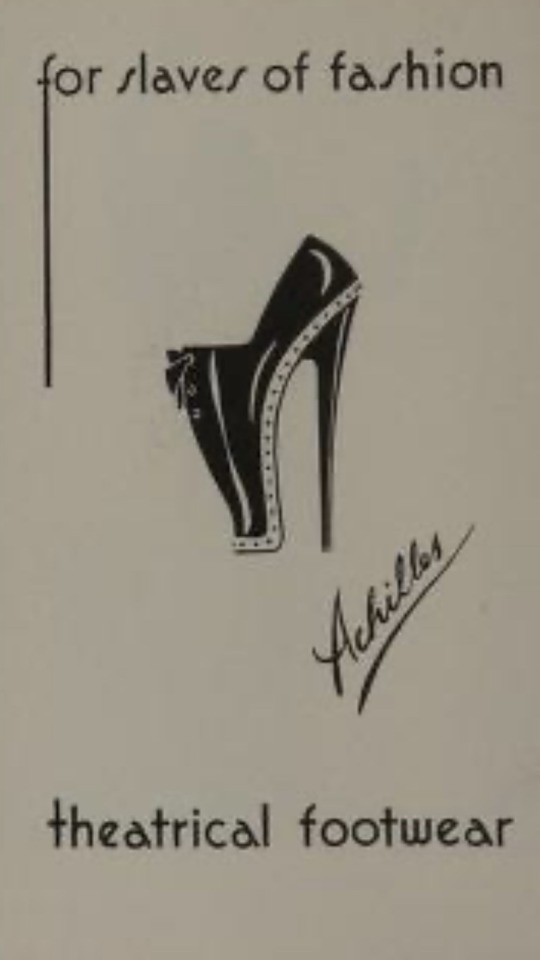
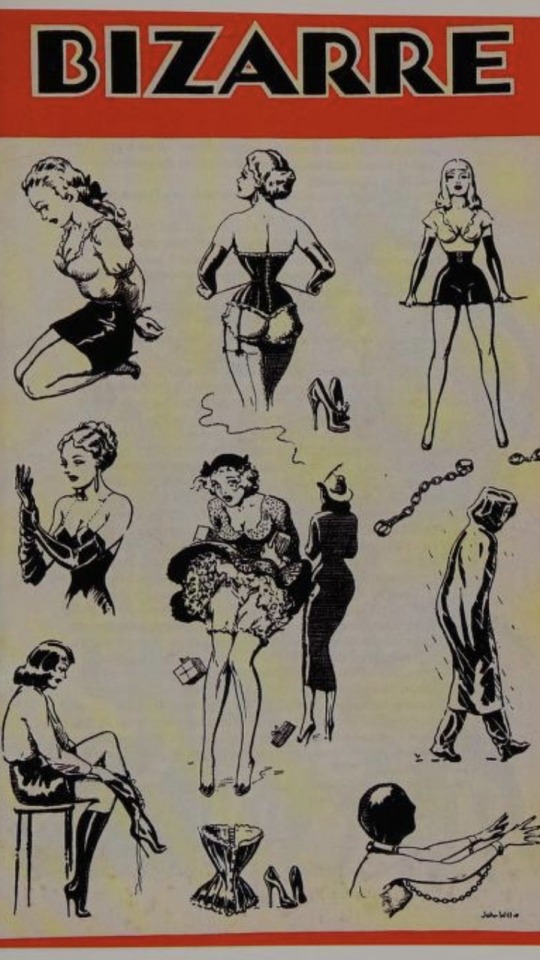
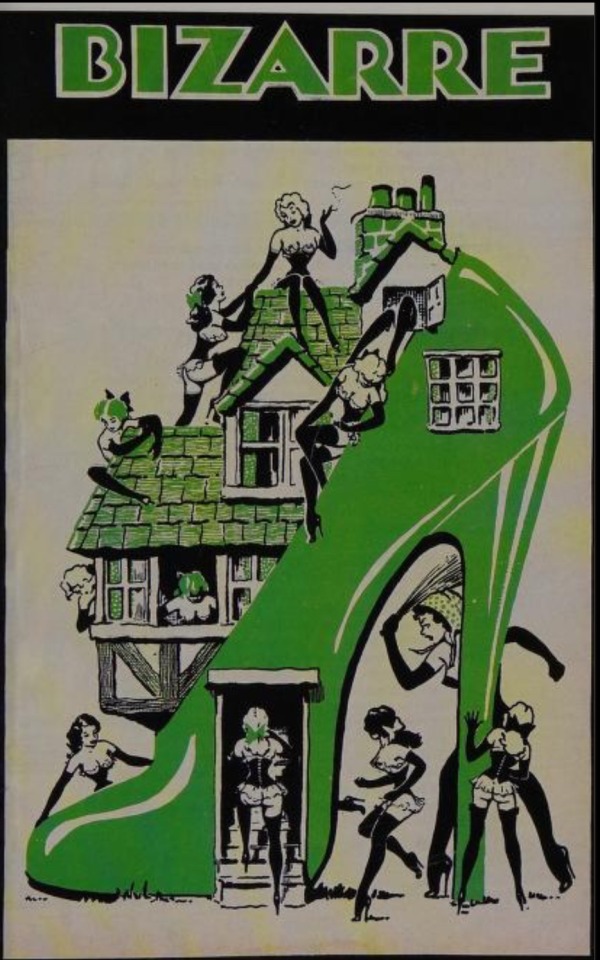
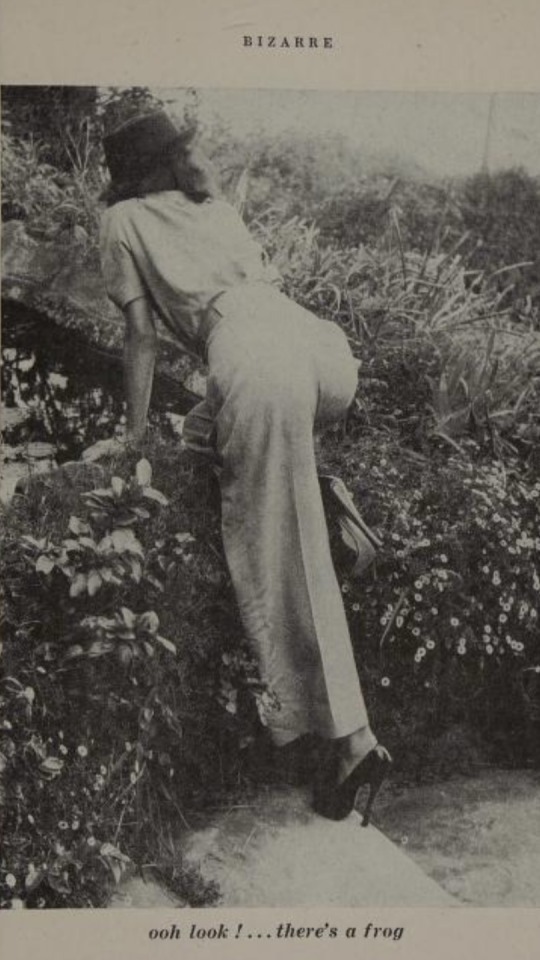
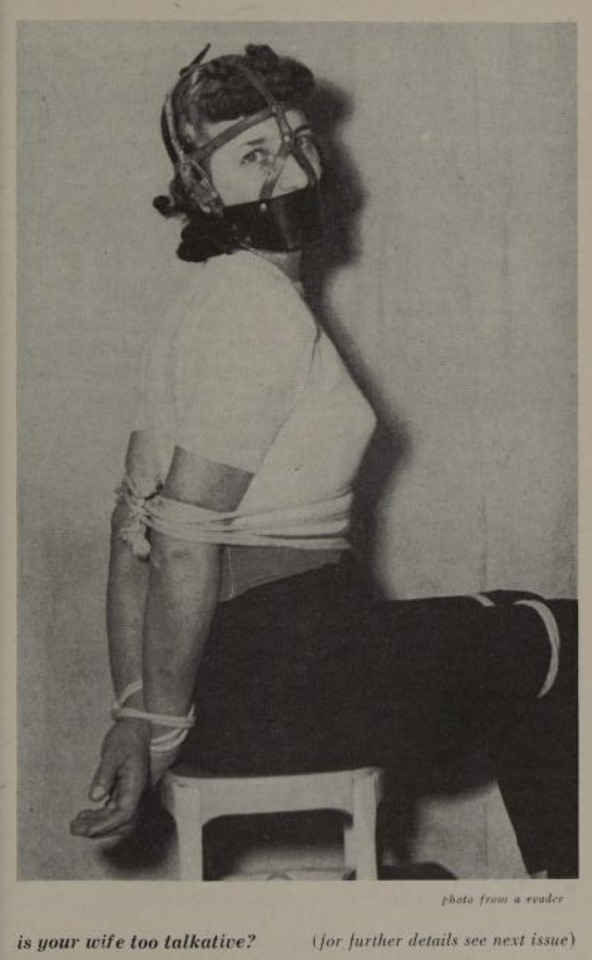
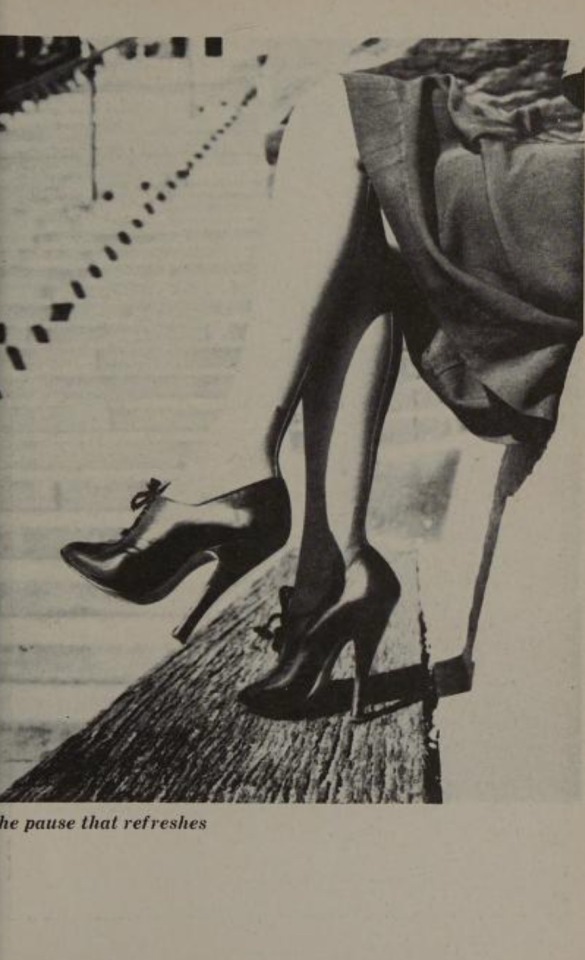
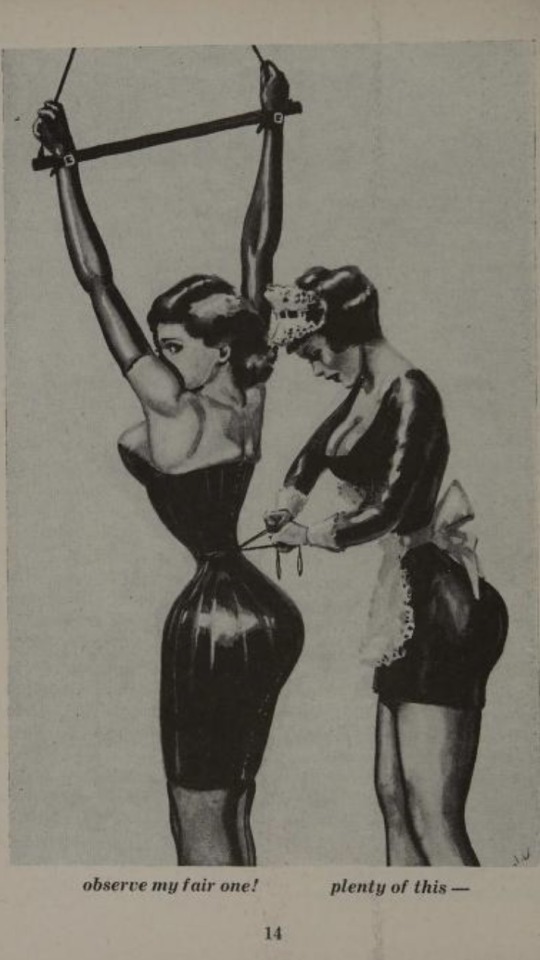
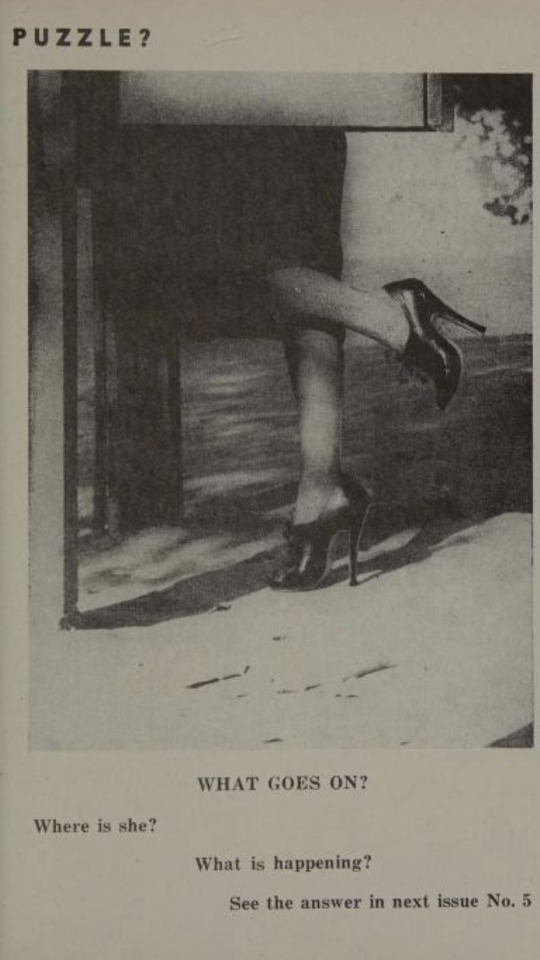
When the thing you almost paid $$$ for (the complete archive of John Willie’s Bizarre Magazine) turns out to be free on the Internet Archive.
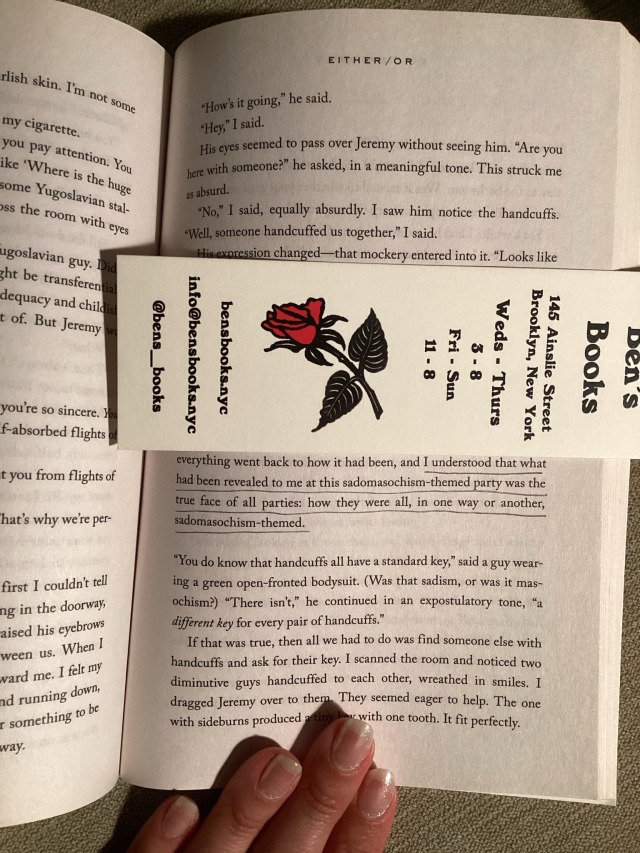
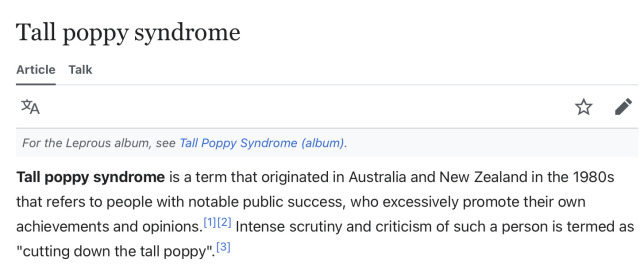
the more you know 🌠