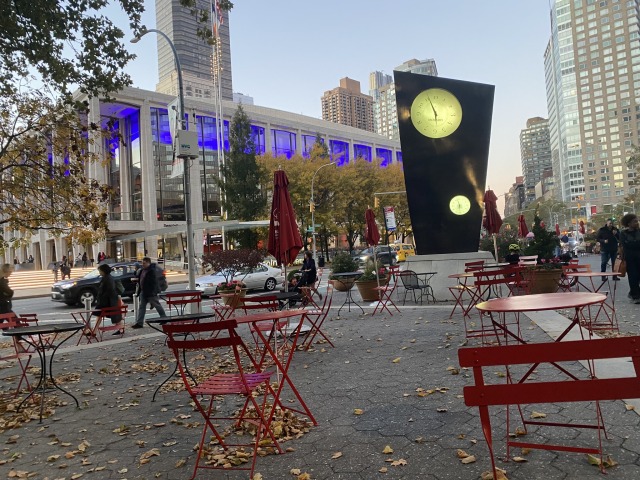

Excellent (if unseasonably warm) Thursday in early November. Ate pizza in Dante Park and decompressed in the changing breeze and changing light. Reflected on time while staring in the general direction of two clock faces.
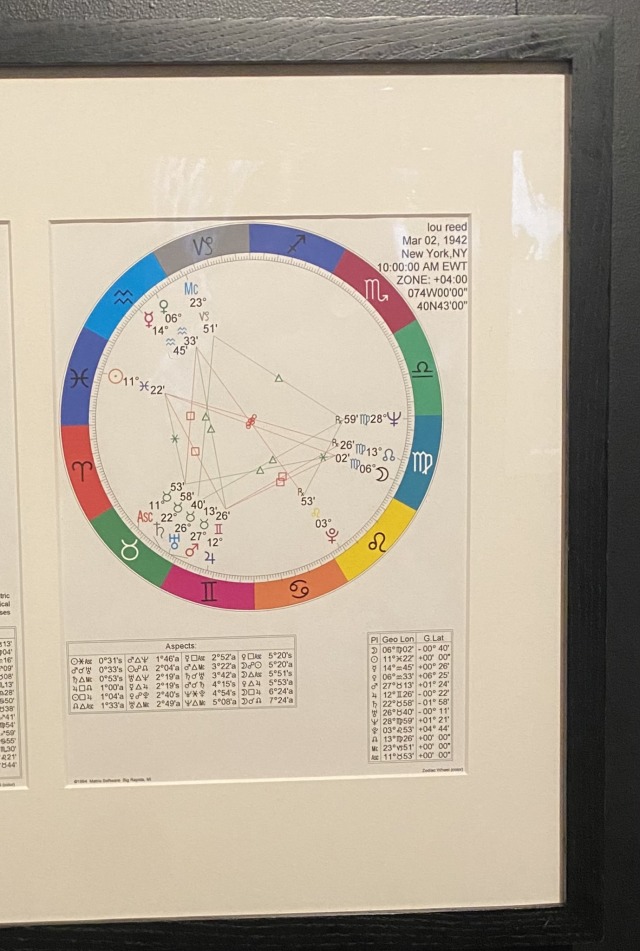
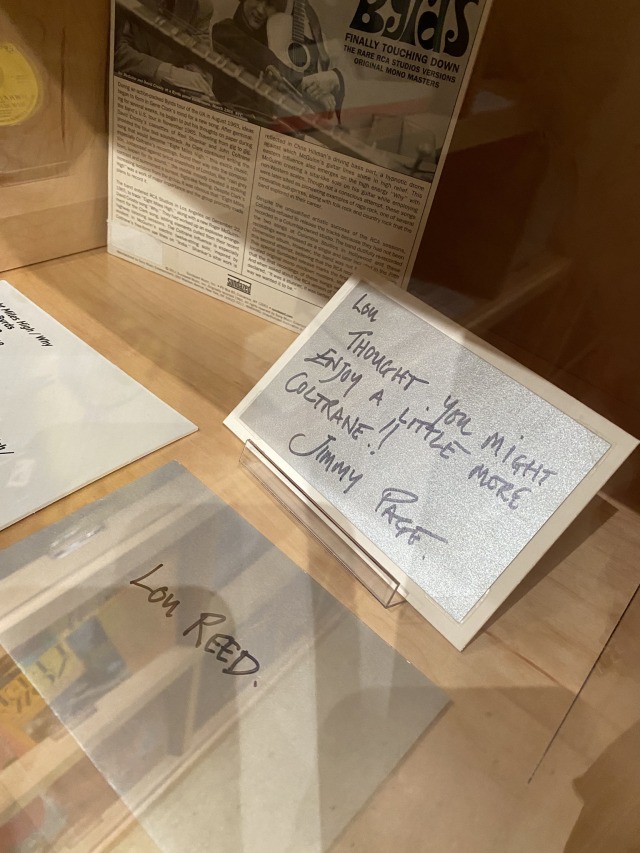
Used my spare hour sitting on various surfaces around Lincoln Center plaza, watching the three-quarters-full moon rise. Then, I did what I always do in in-between moments like this and explored the nearest NYPL branch, which just so happened to be running a free exhibition on the life and times of Lou Reed. Greatly enjoyed reading his journal excerpts and written/typed correspondence with other artists (ephemera forever). Paul McCartney sent Lou his new album on vinyl in 1994, saying in his letter: “I understand that when warmed up [the record] can be made into a rather attractive plant pot holder.”
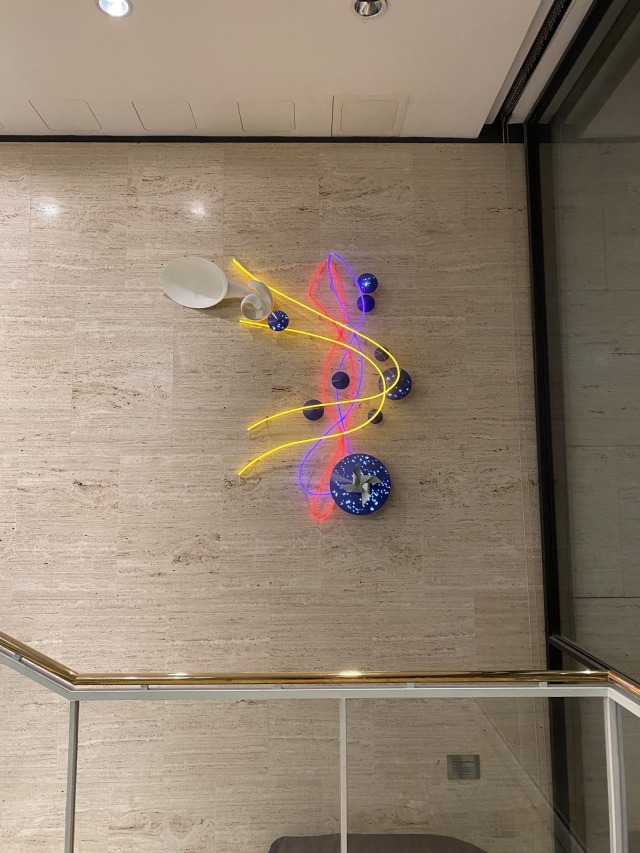
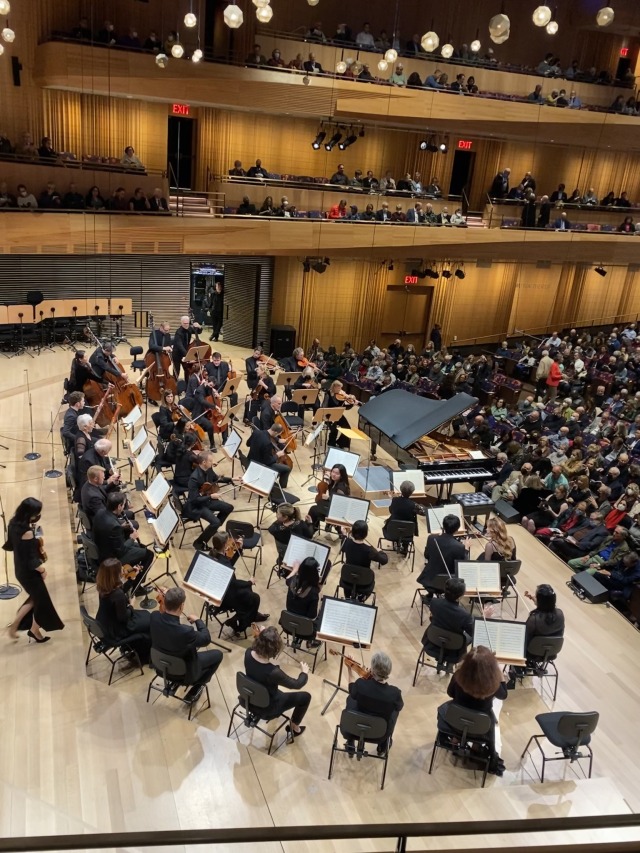
Then, over to the new Wu Tsai Theater at David Geffen Hall. I sat in the perfect overhead position to observe Jaap van Zweden’s expressions the entire time. I’m not the first person to say that the acoustics in the newly renovated hall are incredible, but the opening notes of Brucker’s Symphony No. 7 were achingly crystalline. (They were also the very same notes that the Philharmonic played to christen the new theater when it reopened to them months ago).
That Bruckner, though. I knew nothing about him before this, and I doubt that most musical laypeople do either. From the program: “Posterity wants to know about the lives of great composers even though they often do not lead ones of much interest, which puts biographers at pains to construct engaging stories. In Bruckner’s case, almost the opposite is true: casting his life as largely uneventful has its own perverse appeal. Rather than struggling with hearing loss or psychosis … Bruckner suffered from depression, which, although genuinely debilitating, does not make for an interesting biography.”